

When planning a construction project, selecting the right heavy equipment is critical for both efficiency and budget. Two machines often considered for site work are wheel loaders and road rollers. While both are heavy-duty vehicles, their functions, applications, and consequently, their costs, differ significantly. We often encounter questions about their price points and distinctions.
A wheel loader is primarily designed for digging, scooping, and transporting loose materials such as sand, gravel, dirt, and debris over short distances. Road rollers, on the other hand, are compaction machines used to flatten and compact various materials, most commonly soil, gravel, concrete, or asphalt in road and foundation construction. Understanding these fundamental differences is the first step in making an informed investment.
Wheel Loader vs. Road Roller: Core Functions and Applications
A wheel loader serves as a versatile material handling machine. It features a large front-mounted bucket that can scoop up and carry heavy loads. Common applications include loading trucks, moving stockpiles, backfilling trenches, and general site cleanup. Their mobility and ability to operate on various terrains make them indispensable on many construction sites. For example, in a quarry, a wheel loader can quickly move crushed rock to a conveyor belt or load it onto dump trucks.
Road rollers are specialized compaction equipment. They use their heavy weight and sometimes vibration to reduce the air voids in soil, asphalt, or other granular materials, increasing their density and stability. This is crucial for creating durable roads, foundations, and other infrastructure. We see them primarily in road construction, airport runway projects, and large-scale landscaping where ground preparation is key.
Cost Comparison: Initial Purchase Price
The initial purchase price for both wheel loaders and road rollers varies widely based on size, brand, features, and new versus used condition. Generally, a new mid-sized wheel loader can range from $80,000 to $300,000 or more, depending on its lifting capacity and engine power. Road rollers, particularly vibratory models, can have a similar price range, from $50,000 for smaller models up to $250,000 or more for large, high-compaction machines. Specialized features, such as advanced compaction monitoring systems for rollers or quick coupler systems for loaders, add to the cost.
Here is a general comparison of typical price ranges:
| Feature | Wheel Loader (Mid-size) | Road Roller (Mid-size) |
|---|---|---|
| Initial Price | $80,000 – $300,000+ | $50,000 – $250,000+ |
| Primary Function | Material Handling | Compaction |
| Key Applications | Loading, Hauling, Digging | Road Building, Foundations |
Operational Costs: Fuel, Labor, and Consumables
Operational costs are a significant factor in the total cost of ownership. Fuel consumption for a wheel loader depends heavily on its engine size and the intensity of its work. A loader constantly scooping and moving heavy materials will consume more fuel than one performing lighter tasks. Operators for wheel loaders require specific skills for efficient material handling. Consumables include tires, which can be expensive, and hydraulic fluids.
Road rollers, especially vibratory models, also have substantial fuel consumption, particularly when operating at high vibration frequencies. The wear on drums and vibration components contributes to operational costs. Labor costs for operating a road roller are generally consistent with other heavy equipment, requiring skilled operators who understand compaction principles. Both machines require regular lubrication and fluid checks.
Maintenance and Longevity: Long-Term Expenses
Maintenance costs for wheel loaders typically involve engine servicing, hydraulic system checks, and wear part replacement such as bucket teeth, cutting edges, and tires. The hydraulic system, which powers the bucket and steering, requires careful attention. We recommend adhering to manufacturer-specified service intervals to extend the machine’s lifespan. Our experience shows that proactive maintenance significantly reduces unexpected downtime.
Road rollers require maintenance on their engines, hydraulic systems, and crucially, their compaction drums and vibration mechanisms. Bearings and seals in the vibratory system are common wear items. The integrity of the drum is paramount for effective compaction. Just as we ensure our Hydraulic breaker components like the piston and accumulator are precisely engineered for longevity, similar attention to detail in road roller maintenance ensures consistent performance and reduces long-term costs. Regular checks of the drum’s surface and vibration system are essential.
Choosing the Right Machine: A Strategic Decision
Making the correct equipment choice depends on your project’s specific needs. If your primary task involves moving large volumes of loose material, loading trucks, or general site clearing, a wheel loader is the appropriate choice. Its versatility in handling different materials and its mobility across a site make it highly efficient for these tasks. Consider the lifting capacity and bucket size required for your typical loads.
Conversely, if your project focuses on preparing subgrades, laying asphalt, or compacting soil for foundations, a road roller is indispensable. The type of roller (e.g., smooth drum, padfoot, pneumatic) will depend on the material being compacted and the required density. Selecting a road roller for material handling would be inefficient and costly, just as using a wheel loader for compaction would be ineffective.
From Our Field Engineers: Real-World Equipment Selection
From Our Field Engineers: We once observed a client attempting to use a small wheel loader to compact a granular sub-base on a small road project. While the loader’s weight offered some minimal compaction, it lacked the vibratory force and uniform pressure distribution of a road roller. The result was uneven compaction, requiring rework and significantly extending the project timeline. This highlights that while a machine might seem capable, its specialized design for a specific function is what truly drives efficiency and quality. Always match the tool to the task; a general-purpose machine cannot replace a specialist when precision and specific performance are required.
Expert Insight: The Evolving Landscape of Heavy Equipment Investment
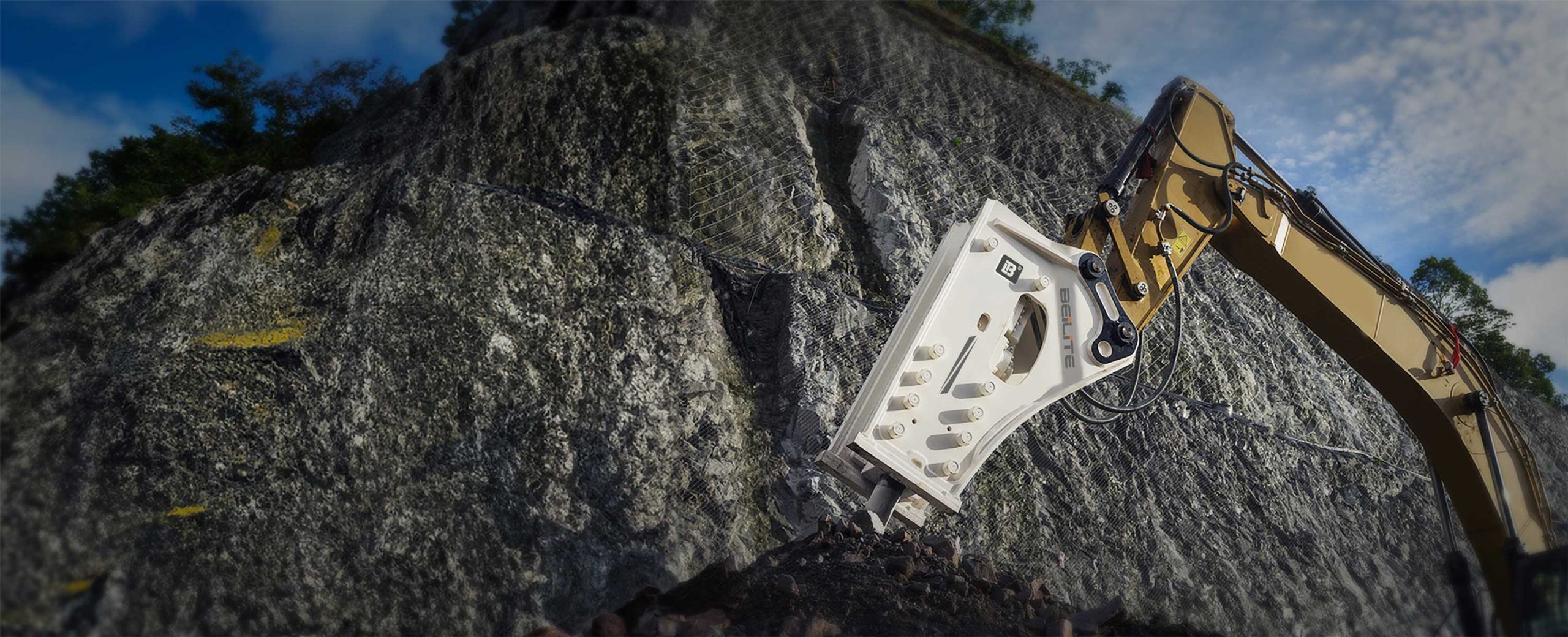
The heavy equipment industry is moving towards a greater emphasis on total cost of ownership (TCO) rather than just initial purchase price. We believe that future heavy equipment procurement will increasingly prioritize machines that offer superior performance and lower operational costs over their lifespan. For instance, our BLT-155 hydraulic breaker, with its high operating pressure of 200-220bar, delivers exceptional breaking force, which directly translates to faster job completion and reduced fuel consumption per cubic meter of material broken. This focus on performance translates into tangible savings over time.
Similarly, when choosing between a wheel loader and a road roller, the decision should extend beyond the sticker price. Factors like fuel efficiency, maintenance frequency, availability of spare parts, and the machine’s ability to perform its core task effectively will dictate its true economic value. Investing in a higher-performing machine that reduces project timelines or requires less frequent maintenance often yields a better return than a cheaper alternative with higher running costs. The trend is towards smarter, more specialized equipment that contributes to overall project profitability.
Conclusion: Informed Decisions for Project Success
While both wheel loaders and road rollers are essential heavy equipment, they serve distinct purposes in construction and earthmoving. Their cost structures, from initial investment to long-term operational and maintenance expenses, reflect their specialized designs and functions. By understanding these differences and aligning your equipment choice with the specific demands of your project, you can make a strategic decision that optimizes efficiency, controls costs, and ensures the successful completion of your work.
About the Author
An old man with 18 years of experience
Need help choosing the right heavy equipment for your project? Contact our experts for a personalized recommendation.
FAQs
Q1: Can a wheel loader be used for compaction?
A1: While a wheel loader’s weight can offer some minimal compaction, it is not designed for effective or uniform compaction. Its primary role is material handling. For proper compaction, a dedicated road roller is required.
Q2: Which machine has higher fuel consumption, a wheel loader or a road roller?
A2: Fuel consumption depends on the machine’s size, engine, and workload. Generally, both can have significant fuel consumption. A wheel loader engaged in constant heavy lifting and hauling might consume more fuel than a road roller performing light compaction, but a large vibratory roller working on dense materials can also be very fuel-intensive.
Q3: What are the main factors affecting the price of a wheel loader?
A3: The main factors affecting the price of a wheel loader include its operating weight, engine power, bucket capacity, brand reputation, included features (e.g., quick couplers, advanced controls), and whether it is new or used.
Q4: How does maintenance differ for these two types of equipment?
A4: Maintenance for a wheel loader focuses on its engine, hydraulic system, and wear parts like tires and bucket components. Road roller maintenance also covers the engine and hydraulics but places a strong emphasis on the compaction drum, its bearings, and the vibratory system, which are unique to its function.
Q5: Is it more cost-effective to rent or buy a wheel loader or road roller?
A5: The decision to rent or buy depends on the frequency of use, project duration, and capital availability. For short-term or infrequent projects, renting is often more cost-effective as it avoids initial purchase costs, depreciation, and long-term maintenance expenses. For continuous or long-term use, purchasing may offer better value.
Keywords
Primary Keyword: Wheel Loader vs. Road Roller Cost
Long-Tail Keywords: Wheel loader price difference vs. road roller, Cost comparison of wheel loader and road roller, Wheel loader vs. road roller applications, Operating costs wheel loader vs. road roller, Maintenance costs wheel loader vs. road roller


