

Understanding the cost of a hydraulic breaker is crucial for anyone involved in construction, demolition, or mining. These powerful attachments, also known as hydraulic hammers, are essential for breaking concrete, rock, and other hard materials. Their price can vary significantly based on several factors, making it challenging to pinpoint a single figure. We aim to provide a clear overview of the pricing landscape for hydraulic breakers, detailing the elements that influence their cost and offering insights to help you make an informed purchasing decision.
Factors Influencing Hydraulic Breaker Pricing
The price of a hydraulic breaker is not static; it fluctuates based on a combination of specifications, brand reputation, and market conditions. Several key factors determine the final cost. These include the breaker’s size and impact energy, the materials used in its construction, and the technological advancements incorporated into its design. The type of carrier it is designed for, such as an excavator or backhoe loader, also plays a significant role.
Size and Impact Energy
Larger hydraulic breakers, designed for heavier excavators and more demanding tasks, naturally command higher prices. Their increased size corresponds to greater impact energy, allowing them to break tougher materials more efficiently. For instance, a small hydraulic breaker suitable for a 0.5-1.2 ton mini-excavator will be considerably less expensive than a heavy-duty model designed for a 30-ton excavator. The impact rate, measured in BPM (Beats Per Minute), also contributes to the cost, with higher impact rates often indicating more advanced engineering.
Brand Reputation and Manufacturing Quality
Established brands with a long history of producing reliable and durable hydraulic breakers often have higher price points. This premium reflects their commitment to quality, extensive research and development, and robust after-sales support. The manufacturing process, including the quality of steel used for components like the piston and working tool, directly impacts the breaker’s lifespan and performance. High-quality materials and precision engineering reduce wear and tear, leading to lower long-term maintenance costs.
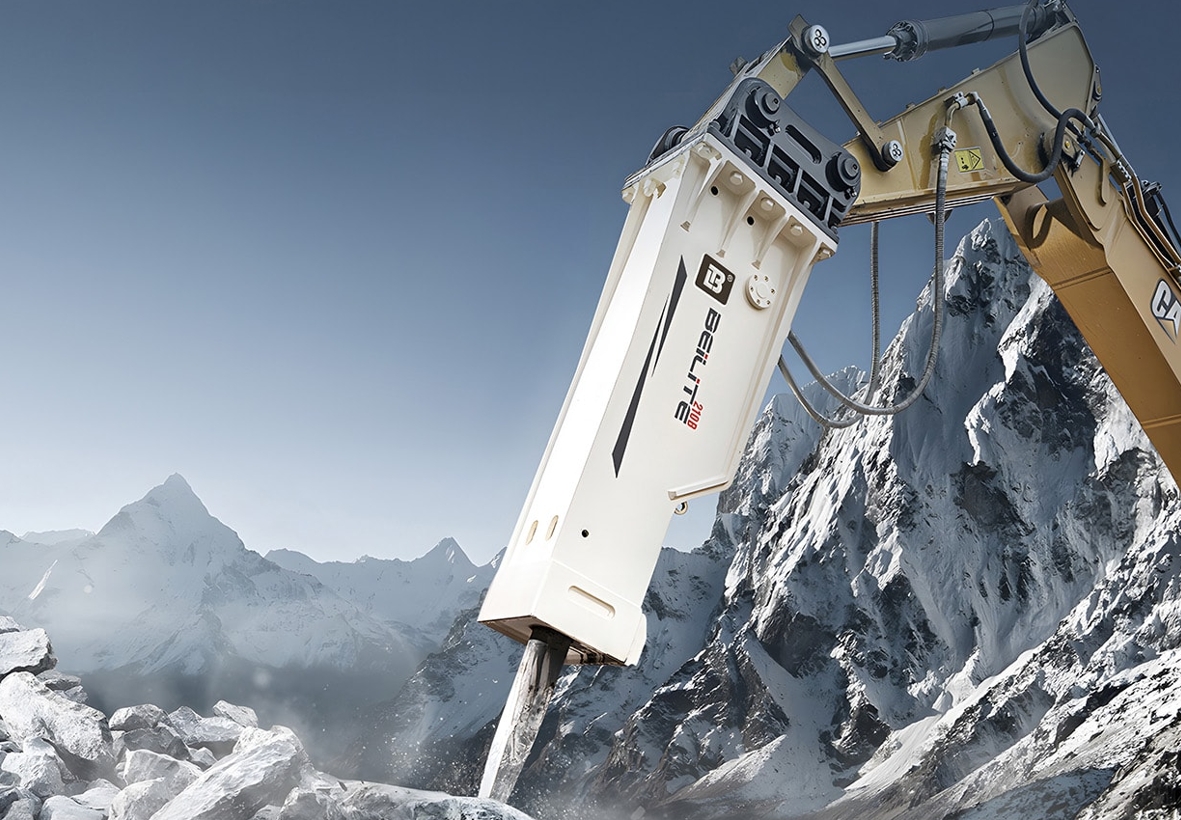
Technological Features and Innovation
Modern hydraulic breakers incorporate various technological advancements that enhance performance, efficiency, and operator comfort. Features such as automatic lubrication systems, anti-blank firing mechanisms, and advanced accumulator designs can increase the overall cost. For example, a breaker with a sophisticated Piston Control Valve system that optimizes oil flow for maximum impact will typically be more expensive than a basic model. These innovations often lead to improved productivity and reduced operational expenses over time, justifying the initial investment.
New vs. Used Equipment
The choice between a new and a used hydraulic breaker significantly impacts the price. New breakers come with warranties, the latest technology, and guaranteed performance, but at a higher cost. Used breakers, while more affordable, may have varying levels of wear and tear, and their operational history might be less transparent. Careful inspection and understanding of the used equipment’s condition are essential to avoid unexpected repair costs.
General Price Ranges for Hydraulic Breakers
To provide a clearer picture, we can categorize hydraulic breakers into general price ranges based on their size and intended application. These ranges are approximate and can vary based on the factors discussed above.
| Breaker Size Category | Applicable Excavator Weight (t) | Estimated Price Range (USD) | Key Features |
|---|---|---|---|
| Small (Mini) | 0.5 – 5 | $3,000 – $15,000 | Light demolition, landscaping, trenching |
| Medium | 6 – 20 | $15,000 – $45,000 | Road construction, general demolition, quarrying |
| Large (Heavy-Duty) | 21 – 50+ | $45,000 – $150,000+ | Primary breaking, large-scale mining, heavy demolition |
These figures represent the cost of the hydraulic breaker unit itself, excluding installation, shipping, and any specialized working tools beyond the standard moil point. Additional costs may include specialized working tools, such as the NARROW CHISEL or BLUNT TOOL, and essential accessories like an Automatic Lubrication System.
Real-World Pricing Examples
Consider the BLT-40 model, designed for 0.5-1.2 ton excavators. This small breaker has a total weight of 86kg and a chisel diameter of 40mm. Its working oil flow is 15-30 l/min, and it operates at a pressure of 90-120 bar with an impact rate of 800-1400 bpm. Such a model typically falls within the lower end of the small breaker price range, making it a cost-effective solution for light-duty applications.
Another example is the BLT-45, suitable for 0.8-1.5 ton excavators like the Kubota U15 or Caterpillar 301.5. This model weighs 137kg, features a 45mm chisel diameter, and requires an oil flow of 20-40 l/min. With an impact rate of 700-1200 bpm, it offers a balance of power and efficiency for slightly larger tasks. The pricing for the BLT-45 would be slightly higher than the BLT-40, reflecting its increased size and capability. If you’re interested in this topic, check out our article 《How to Match Hydraulic Hammer Size Configurations to Your Job Requirements?》.
Cost-Benefit Analysis and Long-Term Value
When evaluating the cost of a hydraulic breaker, it is essential to consider the long-term value it provides. A higher initial investment in a quality breaker can lead to significant savings over its lifespan. This includes reduced downtime due to fewer breakdowns, lower maintenance costs, and increased operational efficiency. For instance, a breaker with durable wear parts like a high-quality Outer Bushing and Inner Bushing will require less frequent replacement, minimizing operational interruptions.
Furthermore, a breaker that is well-matched to its carrier and the specific application will perform optimally, maximizing productivity. Choosing a breaker with a suitable Impact Rate and Operating Pressure ensures that it effectively breaks material without causing undue stress on the excavator. More people are focusing on Hydraulic break to improve efficiency to improve efficiency.
Practical Advice for Purchasing
When looking to buy a hydraulic breaker, several practical steps can help you secure the best value. First, clearly define your operational needs, including the type of material to be broken, the frequency of use, and the carrier equipment available. This will help narrow down the appropriate size and specifications. We recommend you to read 《How to choose a hydraulic breaker》.
Next, research reputable manufacturers and compare their offerings. Pay attention to warranty periods, availability of spare parts, and the quality of their after-sales service. Request detailed quotes from multiple suppliers, ensuring that all costs, including delivery and installation, are clearly itemized. Consider visiting a dealer to inspect the breakers firsthand and discuss your requirements with their technical experts. You can also read 《Buy a hydraulic breaker》.
Expert Insight
The market for hydraulic breakers is continuously evolving, with a growing emphasis on efficiency, durability, and reduced environmental impact. We observe a trend towards more compact yet powerful breakers, particularly for mini-excavators, driven by the increasing demand for urban demolition and specialized construction tasks. For example, the BLT-40 model, designed for 0.5-1.2t excavators, demonstrates this trend with its optimal balance of total weight (86kg) and impact rate (800-1400bpm) for smaller machines. This allows for precise work in confined spaces while maintaining significant breaking power. We anticipate further innovations in hydraulic system optimization and noise reduction technologies, making these tools even more versatile and user-friendly.
About the Author
Our team comprises seasoned professionals with extensive experience in heavy machinery and construction equipment. We specialize in hydraulic attachments, bringing deep technical knowledge and practical insights to our content. Our expertise is rooted in years of hands-on work and continuous engagement with industry advancements.
FAQs
Q1: What is the primary factor determining the cost of a hydraulic breaker?
A1: The primary factor is the breaker’s size and impact energy, which dictates its breaking power and the size of the excavator it can be mounted on. Larger, more powerful hydraulic breakers designed for heavy-duty work are generally more expensive.
Q2: Are there hidden costs associated with purchasing a hydraulic breaker?
A2: Potential hidden costs can include specialized working tools, mounting brackets, hydraulic hose kits, shipping, installation, and ongoing maintenance supplies like chisel paste. Always clarify what is included in the quoted price.
Q3: How does brand influence the price of a hydraulic breaker?
A3: Reputable brands often charge a premium due to their proven track record of reliability, superior manufacturing quality, advanced technology, and comprehensive after-sales support. This can translate to better performance and lower long-term ownership costs.
Q4: What is the typical lifespan of a hydraulic breaker?
A4: The lifespan of a hydraulic breaker varies greatly depending on its quality, maintenance, and usage intensity. Well-maintained, high-quality breakers can last many years, often exceeding 10,000 operating hours, while poorly maintained or low-quality units may fail much sooner.
Q5: Is it more cost-effective to repair or replace a hydraulic breaker?
A5: The decision to repair or replace depends on the extent of the damage, the cost of parts (like a Seal Kit or Piston), and the age of the breaker. For minor issues, repair is often cost-effective. However, for major component failures or older models, replacement might offer better long-term value due to improved technology and warranties.
Keyword: hydraulic breaker price, hydraulic hammer cost, breaker pricing range, excavator attachment cost, rock breaker price


