

Overview and Introduction to Hydraulic Breaker Quality Standards
The performance and longevity of hydraulic breakers are critical factors in the construction, demolition, and mining industries. These powerful attachments, also known as hydraulic hammers, rely on robust engineering and adherence to stringent quality standards to ensure efficiency and safety. As experts with over 15 years of experience in hydraulic breaker design, application, and maintenance, we understand the importance of staying informed about the latest policies and standards governing these essential tools. Our commitment at b123 is to provide equipment that not only meets but often exceeds current industry benchmarks, ensuring optimal performance and durability for our clients.
The quality of a hydraulic breaker directly impacts operational costs, project timelines, and worker safety. Therefore, understanding the current regulatory landscape and technical specifications is paramount for both manufacturers and end-users. This section explores the evolving policies and standards that shape the hydraulic breaker market, offering insights into what constitutes a high-quality product in today’s demanding environment. We focus on how these standards influence design, manufacturing processes, and the overall reliability of hydraulic breaker components.
Evolving Regulatory Landscape for Hydraulic Breakers
The regulatory environment for hydraulic breakers is dynamic, with various international and regional bodies continually updating standards to reflect advancements in technology and increasing demands for safety and environmental protection. These policies often cover aspects such as noise emissions, vibration levels, material strength, and operational safety protocols. For instance, the European Union’s CE marking directives mandate specific safety requirements, while organizations like ISO (International Organization for Standardization) develop technical standards that manufacturers voluntarily adopt to demonstrate product quality and reliability.
Compliance with these policies is not merely a legal obligation; it is a testament to a manufacturer’s commitment to producing superior equipment. We rigorously adhere to these evolving standards in our manufacturing processes. This includes meticulous material selection, precision engineering of components like the piston and cylinder body assembly, and comprehensive testing of each unit. Our adherence ensures that our hydraulic breakers perform reliably under diverse and challenging conditions, from urban demolition to heavy-duty quarrying.
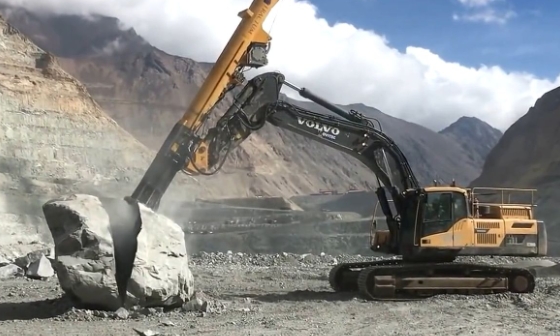
Key Quality Standards and Their Impact on Performance
Several critical standards directly influence the quality and performance of hydraulic breakers. These standards often dictate the minimum requirements for various components and operational parameters. Understanding these benchmarks helps in evaluating the true quality of a hydraulic breaker.
- ISO 9001 (Quality Management Systems): This international standard ensures that manufacturers have a robust quality management system in place, covering design, production, installation, and servicing. A manufacturer certified under ISO 9001 demonstrates a systematic approach to quality assurance.
- ISO 12100 (Safety of Machinery): This standard provides general principles for machinery design, focusing on risk assessment and risk reduction. For hydraulic breakers, this translates into safer designs that minimize operational hazards.
- EN 474-1 (Earth-moving Machinery – Safety): This European standard specifically addresses the safety requirements for earth-moving machinery, including excavators and their attachments like hydraulic breakers. It covers aspects such as control systems, operator protection, and visibility.
- Noise Emission Directives: Regulations like the EU’s Outdoor Noise Directive set limits on noise emissions from machinery. This has led to the development of silent outer casings for hydraulic breakers, significantly reducing noise pollution on job sites. Our BLT series, for example, features silent casings designed to meet these stringent requirements.
These standards collectively contribute to the overall quality of a hydraulic breaker, impacting its durability, operational efficiency, and safety. Manufacturers who prioritize these standards often produce equipment with longer lifespans and lower maintenance requirements.
Material Science and Manufacturing Excellence
The choice of materials and the precision of manufacturing processes are fundamental to the quality of hydraulic breakers. High-grade alloy steels are essential for components subjected to extreme stress, such as the working tool and the piston. Advanced heat treatment processes enhance the hardness and toughness of these parts, preventing premature wear and failure.
Our manufacturing ethos at b123 emphasizes meticulous attention to detail. We utilize state-of-the-art CNC machining for critical components, ensuring tight tolerances and optimal fit. For example, the precise fit between the piston and the cylinder body assembly is crucial for efficient power transfer and minimal internal leakage. Furthermore, the quality of seal kits is paramount for maintaining hydraulic integrity and preventing oil leaks, which can degrade performance and lead to costly downtime. We source seals from reputable suppliers, ensuring resistance to high pressures and temperatures.
| Component | Material Specification | Key Quality Standard | Impact on Breaker Quality |
|---|---|---|---|
| Piston | High-strength Alloy Steel | ASTM A29, EN 10083 | Enhanced impact force, reduced wear |
| Working Tool | Forged Chromium-Nickel Steel | ISO 683-17 | Superior hardness, extended lifespan |
| Cylinder Body | High-tensile Steel | EN 10025 | Structural integrity, resistance to fatigue |
| Seal Kit | HNBR/Viton Rubber | ISO 3601 | Leak prevention, operational reliability |
| Outer Casing | Wear-resistant Steel | ASTM A514 | Protection against external damage, noise reduction |
The Role of Testing and Certification in Quality Assurance
Rigorous testing and independent certification are indispensable steps in verifying the quality of hydraulic breakers. Manufacturers conduct various tests, including fatigue tests, impact performance tests, and noise level measurements, to ensure that products meet specified standards. Third-party certification bodies provide an unbiased assessment, confirming compliance with relevant regulations and technical specifications.
At b123, every hydraulic breaker undergoes a comprehensive series of tests before it reaches the customer. This includes functional testing to verify oil flow and operating pressure, as well as impact rate measurements to confirm performance specifications. Our BLT-135 model, designed for 18-22t excavators, undergoes extensive testing to ensure its 350-500 bpm impact rate and 160-180 bar working pressure meet rigorous performance criteria. This commitment to testing provides confidence in the reliability and durability of our equipment.
User Intent and Matching Quality Standards
Users seeking information on hydraulic breaker quality often have multiple intentions. They may be looking for general information on standards, specific technical details, or guidance on choosing a reliable manufacturer. Our approach addresses these diverse needs by providing comprehensive information.
- Informational Intent: We provide detailed explanations of relevant standards like ISO 9001 and EN 474-1, clarifying their significance for hydraulic breaker quality.
- Commercial Investigation Intent: We highlight b123’s adherence to these standards and our unique value proposition, such as the use of high-grade materials and advanced manufacturing techniques. For example, our BLT-155 model, suitable for 27-33t excavators, features a 155mm chisel diameter and operates at 200-220 bar, showcasing our commitment to powerful and reliable equipment.
- Comparison Intent: The table comparing component materials and their impact on quality helps users evaluate different products based on objective criteria.
- Operational Intent: We offer insights into how quality standards translate into practical benefits, such as reduced maintenance needs and enhanced safety for operators.
By addressing these various user intents, we aim to be a trusted resource for all hydraulic breaker-related inquiries. We believe that informed customers make better decisions, leading to more successful projects.
b123’s Unique Value Proposition in Quality
Our unique value proposition at b123 is rooted in a steadfast commitment to engineering excellence and customer-centric innovation. We differentiate ourselves through several key aspects that directly contribute to the superior quality of our hydraulic breakers:
- Advanced Material Selection: We utilize premium alloy steels and advanced heat treatment processes for critical components. For example, the forging tool for our BLT-165 model, designed for 33-38t excavators, is crafted from specialized chromium-nickel steel, ensuring exceptional hardness and resistance to wear.
- Precision Manufacturing: Our state-of-the-art manufacturing facilities employ CNC machining and stringent quality control at every stage, from raw material inspection to final assembly. This precision minimizes component wear and maximizes operational efficiency.
- Comprehensive Testing Protocols: Every hydraulic breaker undergoes rigorous testing, including performance, durability, and safety checks, to ensure it meets or exceeds international standards. This commitment to testing is evident in the consistent performance of our entire product line.
- Expert Support and Service: Our team of engineers and field service experts provides unparalleled technical support and guidance, helping customers select the right breaker and maintain it for optimal performance. This ensures that our customers receive comprehensive support throughout the product lifecycle.
- Focus on Operator Safety and Environmental Impact: We design our breakers with operator safety in mind, incorporating features such as silent outer casings to reduce noise pollution and ergonomic designs to minimize vibration. This commitment aligns with evolving environmental and safety regulations.
Our dedication to these principles ensures that b123 hydraulic breakers deliver exceptional performance, reliability, and value, making them a preferred choice for demanding applications worldwide.
Future Trends and Innovations in Hydraulic Breaker Quality
The hydraulic breaker industry continues to evolve, driven by demands for increased efficiency, reduced environmental impact, and enhanced safety. Future trends in quality standards will likely focus on several key areas:
- Smart Technology Integration: The integration of sensors and IoT devices will allow for real-time monitoring of breaker performance, enabling predictive maintenance and optimizing operational parameters. This can lead to proactive issue resolution, extending the lifespan of the equipment.
- Sustainable Materials and Manufacturing: An increased emphasis on environmentally friendly materials and manufacturing processes will reduce the carbon footprint of hydraulic breakers. This includes exploring recyclable materials and energy-efficient production methods.
- Enhanced Noise and Vibration Reduction: Further advancements in noise and vibration dampening technologies will improve operator comfort and reduce environmental impact, especially in urban construction areas.
- Standardization of Digital Data Exchange: Developing standards for digital data exchange will facilitate better interoperability between hydraulic breakers and carrier machines, leading to more integrated and efficient systems.
We actively participate in these advancements, investing in research and development to ensure our products remain at the forefront of innovation and quality. Our goal is to meet the future needs of the industry while upholding the highest standards of performance and reliability.
Expert Insight
The landscape of hydraulic breaker quality standards is continuously shaped by technological advancements and increasing regulatory scrutiny. From our perspective, the most significant recent development is the growing emphasis on data-driven performance metrics and environmental impact reduction. For instance, the demand for lower noise emissions has led to significant innovations in silent outer casing designs. Our BLT-70 model, with its 70mm chisel diameter, exemplifies this trend by offering a balance of high impact force and reduced noise levels, making it suitable for sensitive urban environments. This dual focus on power and environmental responsibility is a clear indicator of the industry’s direction. We project that future standards will increasingly integrate real-time performance monitoring and predictive maintenance capabilities, further enhancing equipment reliability and operational efficiency.
CTA
Contact our specialists today to learn more about our commitment to quality and how our hydraulic breakers can enhance your project’s efficiency and safety.
FAQs
Q1: What are the primary international standards governing hydraulic breaker quality?
A1: The primary international standards include ISO 9001 for quality management, ISO 12100 for machinery safety, and EN 474-1 for earth-moving machinery safety. These standards ensure consistent quality, operational safety, and environmental compliance across the manufacturing process.
Q2: How do silent outer casings contribute to hydraulic breaker quality?
A2: Silent outer casings significantly reduce noise emissions, improving working conditions and complying with noise pollution regulations. This design feature, often mandated by environmental standards, enhances operator comfort and allows for operation in noise-sensitive areas, demonstrating a commitment to advanced engineering and quality.
Q3: What role does material selection play in the durability of a hydraulic breaker?
A3: Material selection is crucial for the durability of a hydraulic breaker. High-strength alloy steels and specialized heat treatments for components like the piston and working tool ensure resistance to extreme impact forces and wear. This directly extends the equipment’s lifespan and reduces maintenance frequency.
Q4: How does b123 ensure its hydraulic breakers meet current quality standards?
A4: b123 ensures compliance through rigorous adherence to ISO 9001 certified processes, precision manufacturing using advanced machinery, and comprehensive testing protocols for every unit. We also invest in continuous research and development to integrate new technologies and meet evolving industry benchmarks, ensuring our products perform reliably.
Q5: What are the emerging trends in hydraulic breaker quality standards?
A5: Emerging trends include the integration of smart technology for real-time performance monitoring, increased use of sustainable materials and manufacturing processes, and further advancements in noise and vibration reduction technologies. These trends aim to enhance efficiency, reduce environmental impact, and improve operator safety.
Keywords
Primary Keyword: hydraulic breaker quality standards
Long-tail Keywords: hydraulic hammer policies, rock breaker certification, excavator attachment quality
Semantic Keywords: ISO 9001, EN 474-1, material strength, operational safety, noise emissions, vibration levels, manufacturing processes, durability, performance metrics, silent outer casing


