

Choosing a hydraulic breaker involves more than just matching it to an excavator; it demands a deep understanding of its technical quality. Our clients often inquire about the specific engineering and material science that define a superior hydraulic breaker. They seek assurance that their investment will deliver consistent performance, extended lifespan, and minimal downtime in demanding operational environments. We recognize these concerns and aim to provide comprehensive insights into what constitutes true hydraulic breaker quality.
Core Components and Their Quality Impact
The performance and durability of a hydraulic breaker are directly linked to the quality of its internal components. Each part plays a critical role in generating and transmitting the powerful impact force required for breaking hard materials. Understanding these components helps evaluate the overall technical quality.
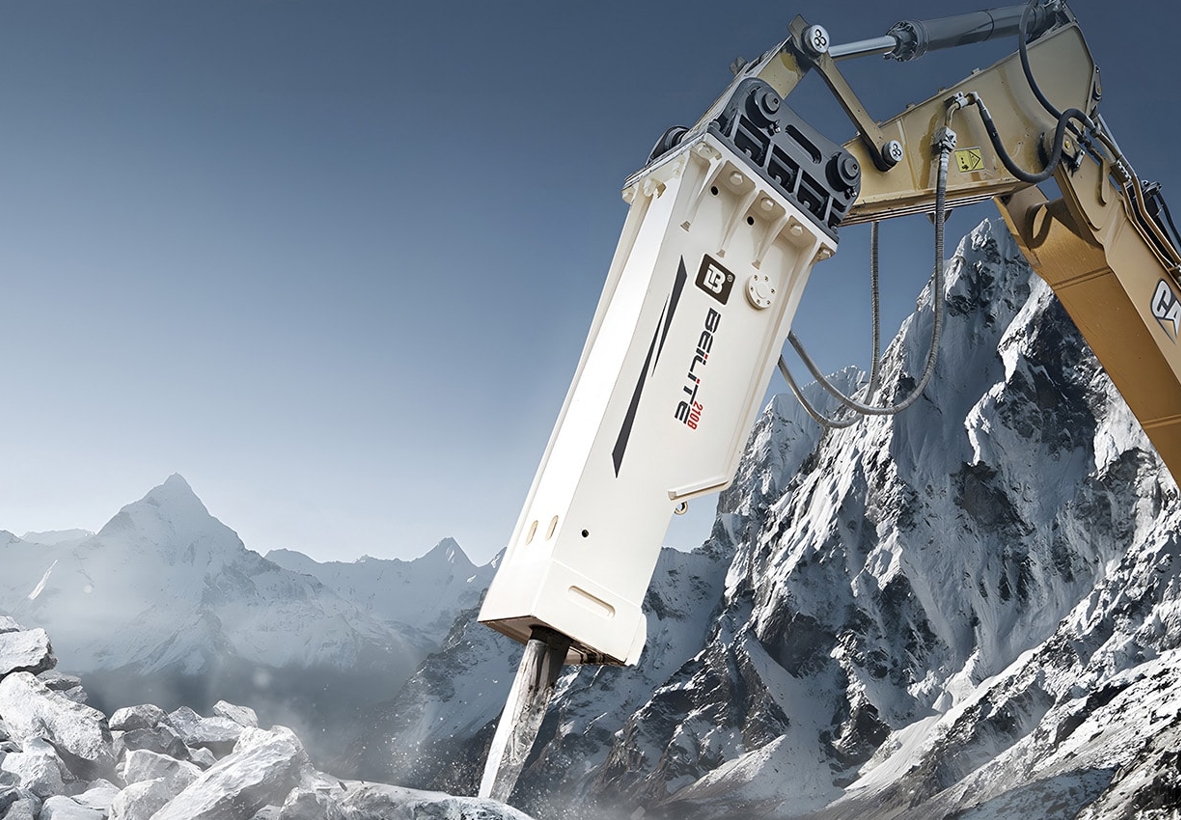
The piston, for instance, is the heart of the hydraulic breaker, responsible for delivering the impact. Its material composition, heat treatment process, and precision machining are paramount. A high-quality piston ensures efficient energy transfer and resists premature wear or fracturing. Similarly, the cylinder body assembly, which houses the piston, must withstand immense internal pressures and repetitive stresses. Its structural integrity directly affects the breaker’s longevity. We utilize advanced alloys and stringent quality control during manufacturing to ensure these components meet the highest standards.
Hydraulic System Precision and Efficiency
The hydraulic system within a hydraulic breaker dictates its operational efficiency and power. Key elements like the valve assembly and accumulator are critical for optimal performance. The valve assembly precisely controls the flow of hydraulic oil, orchestrating the piston’s rapid reciprocating motion. A well-designed valve minimizes energy loss and ensures consistent impact energy.
The accumulator stores hydraulic energy and absorbs pressure spikes, protecting the host machine’s hydraulic system. Its proper functioning is essential for both performance and system longevity. We ensure that our accumulators are pre-charged with the correct accumulator gas pressure, typically 55-60 bar for many of our models, as seen in the BLT-70 and larger series. This precise pressure calibration enhances impact energy and reduces wear on the entire system. Our careful design of key_words:Working Principle of Hydraulic System in Hydraulic Breaker Hammer::: ensures maximum efficiency.
Working Tool Durability and Material Science
The working tool, or chisel, is the direct point of contact with the material being broken. Its quality significantly influences breaking efficiency and tool lifespan. We offer various working tools, including moil points, narrow chisels, and blunt tools, each designed for specific applications. The material of these tools, often high-strength forged steel, undergoes specialized heat treatment to achieve optimal hardness and toughness. This process prevents premature blunting, chipping, or bending, even under extreme conditions.
The interaction between the working tool and the bushings (outer and inner) is also crucial. High-quality bushings, made from wear-resistant materials, provide stable guidance for the tool, reducing friction and extending the life of both the tool and the breaker’s front head. Regular lubrication with appropriate key_words:Chisel Paste / Grease::: is also vital for maintaining this interface.
Structural Integrity and Noise Reduction
The external structure of a hydraulic breaker, particularly the breaker box or outer casing, provides protection for the internal components. For applications requiring reduced noise levels, a silent outer casing is an essential feature. This fully enclosed housing incorporates sound-dampening materials, significantly lowering the operational noise level. This is particularly beneficial in urban demolition projects or residential construction sites, contributing to environmental compliance and operator comfort.
Our silent type breakers, such as the BLT-series, are engineered with robust outer casings that not only protect against external impacts but also enhance the overall structural rigidity. This design minimizes vibrations and ensures stable operation, leading to a longer service life for the entire unit. We prioritize both protection and operational acoustics in our designs.
Technical Specifications and Performance Metrics
Understanding the technical specifications of a hydraulic breaker is fundamental to assessing its quality and suitability for a given task. Key metrics include operating weight, oil flow, operating pressure, and impact rate. These parameters must be carefully matched with the carrier operating weight and hydraulic capabilities of the excavator.
For example, a model like the BLT-135, designed for 18-22 ton excavators, requires an oil flow of 100-150 l/min and operates at a working pressure of 160-180 bar, delivering an impact rate of 350-500 bpm. These precise specifications ensure optimal power delivery without overstressing the host machine. We provide detailed specifications for all our models, allowing customers to make informed decisions. If you need assistance in selecting the right breaker, refer to our guide 《article_title:How to Choose the Right Hydraulic Breaker for Your Project:::》.
| Metric | BLT-100 | BLT-125 | BLT-135 | BLT-150 |
|---|---|---|---|---|
| Applicable Excavator (t) | 10–14 | 14–18 | 18–22 | 24–27 |
| Breaker Operating Weight (kg) | 986 | 1357 | 1736 | 2310 |
| Chisel Diameter (mm) | 100 | 125 | 135 | 150 |
| Working Oil Flow (l/min) | 80~110 | 90~120 | 100~150 | 150~210 |
| Working Pressure (bar) | 150~170 | 150~170 | 160~180 | 180~200 |
| Impact Rate (bpm) | 350~700 | 350~650 | 350~500 | 200~300 |
Maintenance and Longevity Factors
The long-term quality of a hydraulic breaker is also reflected in its ease of maintenance and overall longevity. Factors such as the quality of seal kits, the design of wear parts, and the availability of automatic lubrication systems significantly influence operational costs and uptime. High-quality seals, including U-cup seals and dust seals, prevent hydraulic fluid leaks and protect internal components from contamination.
We engineer our breakers for straightforward maintenance, ensuring that critical wear parts like bushings and tool pins are easily replaceable. The integration of an automatic lubrication system, which consistently delivers grease to the working tool, drastically reduces wear and extends the life of the breaker. This proactive approach to maintenance is a cornerstone of our product philosophy. For more information on maintenance, consider reading 《article_title:Extend Life, Boost Efficiency: Daily Maintenance and Operation Guide for Hydraulic Breakers:::》.
Real-World Performance and Reliability
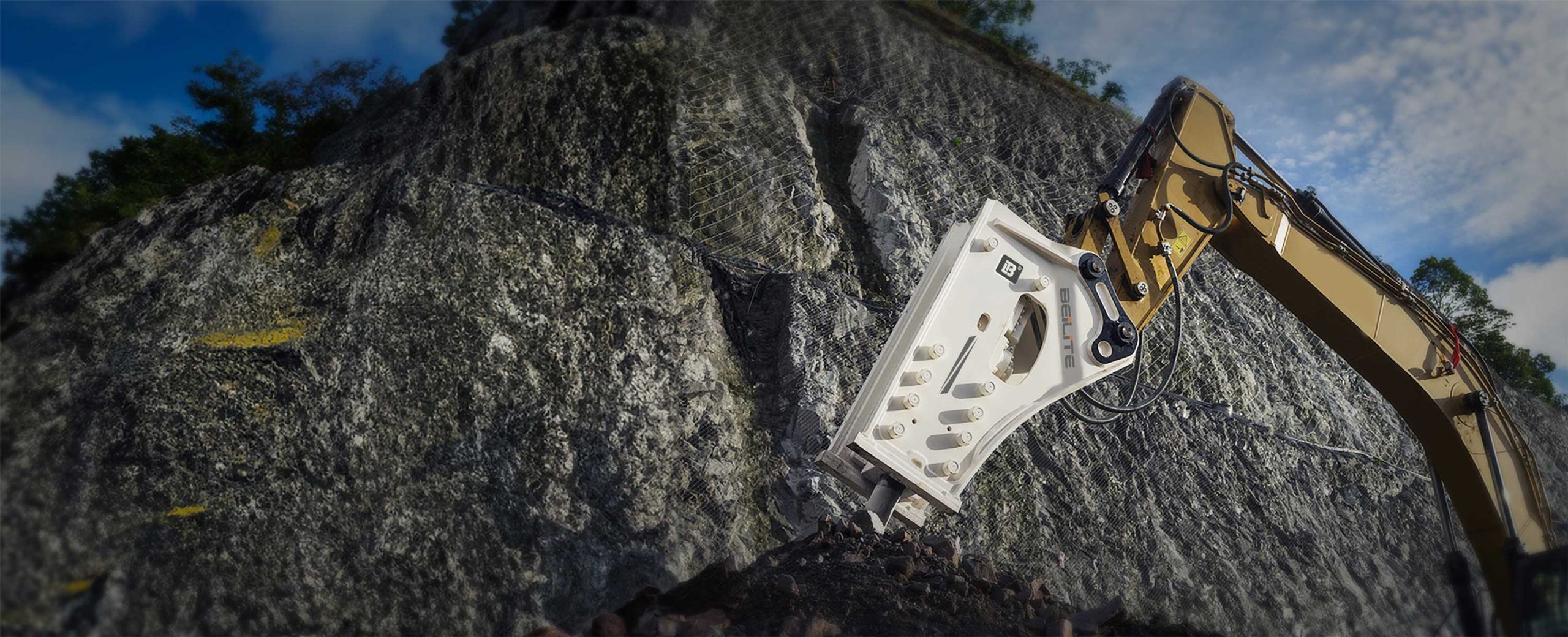
The true test of hydraulic breaker technical quality lies in its real-world performance and reliability. We rigorously test our breakers in various challenging environments, from quarrying to demolition. Our commitment to quality means our breakers consistently deliver high impact energy, withstand prolonged operation, and exhibit minimal failure rates. This reliability translates directly into higher productivity and lower operational costs for our customers.
For example, our BLT-155 model, designed for 27-33 ton excavators, has demonstrated exceptional performance in demanding quarry applications, maintaining an impact rate of 200-300 bpm under continuous heavy loads. This consistent performance is a testament to the robust engineering and quality materials used in its construction. We pride ourselves on the fact that our hydraulic breakers are built to last and perform under pressure.
Our Commitment to Quality
At 测试公司A, our commitment to technical quality is unwavering. We integrate advanced design principles, superior materials, and stringent manufacturing processes to produce hydraulic breakers that exceed industry standards. Every component, from the piston to the outer casing, undergoes meticulous inspection and testing. Our focus on precision engineering ensures that each breaker delivers optimal performance, maximum durability, and exceptional value. We believe that true quality is not just about power, but also about reliability, efficiency, and long-term cost-effectiveness.
Expert Insight
The trend in hydraulic breaker technology points towards increased integration of smart diagnostics and predictive maintenance features. We anticipate that future models will incorporate sensors to monitor key operating parameters such as oil flow, pressure, and impact rate in real time. This data will enable operators to perform condition-based maintenance, significantly reducing unplanned downtime. For instance, monitoring the accumulator gas pressure and rear head nitrogen pressure, which for our BLT-135 model are 55-60 bar and 6-8 bar respectively, will become automated, providing alerts for optimal recharging. This will move the industry towards a more proactive and data-driven approach to equipment management, enhancing both efficiency and longevity.
About the Author
The 测试公司A technical team consists of engineers and field service experts with over 15 years of hands-on experience in hydraulic breaker design, application, and maintenance. We are committed to sharing our deep expertise to help you maximize your equipment’s performance and lifespan.
Contact Our Experts
Do you have specific questions about hydraulic breaker technical quality or need assistance in selecting the right model for your project? key_words:Contact our specialists::: to explore tailored solutions and benefit from our extensive industry knowledge. We are ready to provide expert advice and support for your hydraulic breaking needs.
FAQs
Q1: What is the most critical factor for hydraulic breaker durability?
A1: The quality of materials and heat treatment processes for core components like the piston and working tool significantly impacts durability. Precision engineering of the cylinder body assembly and robust seal kits also play vital roles in ensuring a long lifespan.
Q2: How does an accumulator contribute to hydraulic breaker quality?
A2: An accumulator stores hydraulic energy, enhancing impact force and absorbing pressure spikes. This protects the host machine’s hydraulic system from damage and ensures consistent, powerful breaking performance, thereby improving overall operational quality.
Q3: What role does the silent outer casing play in modern hydraulic breakers?
A3: A silent outer casing reduces noise pollution during operation, making the breaker suitable for urban environments and improving operator comfort. It also provides robust protection for internal components, contributing to the breaker’s overall structural integrity and longevity.
Q4: How important is matching the hydraulic breaker to the excavator?
A4: Matching the breaker’s operating weight, oil flow, and operating pressure to the excavator’s specifications is crucial. An improper match can lead to reduced efficiency, increased wear on both machines, and potential damage. Refer to our guide 《article_title:How to Properly Size Your Hydraulic Hammer:::》 for detailed information.
Q5: What maintenance practices extend the life of a hydraulic breaker?
A5: Regular lubrication of the working tool with chisel paste, timely replacement of wear parts like bushings, and ensuring correct accumulator gas pressure are essential. Adhering to manufacturer-recommended service intervals also significantly extends the breaker’s operational life.
Keyword: hydraulic breaker technical quality, hydraulic breaker components, hydraulic system precision, working tool durability, silent outer casing


