

When considering the acquisition of a hydraulic breaker, understanding the potential cost range is crucial for effective budgeting and project planning. The price of a hydraulic breaker varies significantly based on several factors, including its size, impact energy, brand reputation, and specific features. We aim to provide a comprehensive overview of these factors, helping you navigate the market and make an informed decision. Our focus remains on delivering value through robust, efficient, and reliable equipment that stands the test of demanding operational environments.
Factors Influencing Hydraulic Breaker Costs
The cost of a hydraulic breaker is not a single fixed figure; instead, it is a spectrum influenced by various technical specifications and market dynamics. These factors collectively determine the initial investment required for this essential piece of demolition and excavation equipment. Understanding these elements allows for a more precise estimation of expenses.
Breaker Size and Impact Energy
Larger hydraulic breakers, designed for heavy-duty applications, inherently command higher prices. These units feature more substantial components, such as a larger Piston and a thicker Working Tool, enabling them to deliver greater impact force. For instance, a breaker suitable for a 20-ton excavator will be significantly more expensive than one designed for a mini-excavator. The impact energy, often measured in joules, directly correlates with the breaker’s ability to fracture hard materials like rock and concrete. Higher impact energy typically means a higher price point.
Brand Reputation and Manufacturing Quality
Established brands with a long history of producing reliable and durable hydraulic breakers often have premium pricing. This premium reflects their investment in research and development, advanced manufacturing processes, and stringent quality control. A reputable brand typically offers superior performance, extended lifespan, and better after-sales support, which can offset the higher initial cost through reduced downtime and maintenance expenses. The quality of materials, such as the steel used for the Breaker Box and Working Tool, also plays a critical role in durability and cost.
Specific Features and Technologies
Modern hydraulic breakers incorporate various advanced features that enhance performance, efficiency, and operator comfort. These can include automatic lubrication systems, energy recovery systems, and sound-dampening Silent Outer Casings. For example, a breaker equipped with an Automatic Lubrication System reduces manual maintenance and extends the lifespan of wear parts like the Outer Bushing. Such technological advancements contribute to the overall cost but often lead to significant operational savings and improved productivity over time.
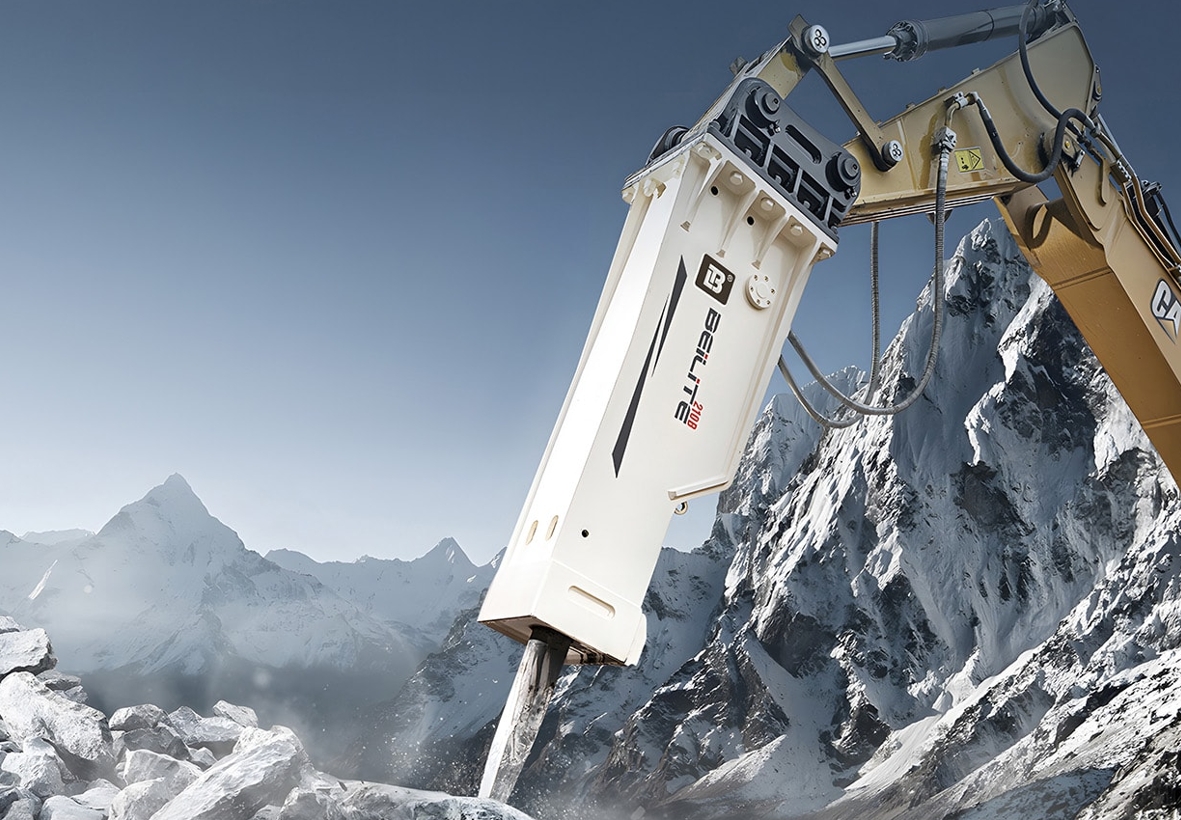
Cost Range for Different Breaker Types
To provide a clearer picture of potential costs, we can categorize hydraulic breakers by their application and size. This segmentation helps in understanding the typical price brackets for various operational needs.
Small Hydraulic Breakers
Small hydraulic breakers are generally designed for mini-excavators ranging from 0.5 to 8 tons. These are ideal for light demolition tasks, landscaping, and small construction projects in urban areas where space is limited. Their compact size and lower impact energy translate to a more accessible price point. For example, a model like the BLT-40, suitable for 0.5–1.2t excavators, has a Chisel Diameter of 40mm and a Working Oil Flow of 15~30 l/min. These smaller units are typically priced in the lower thousands of dollars, making them a cost-effective solution for specific applications.
Medium Hydraulic Breakers
Medium-sized breakers cater to excavators between 8 and 20 tons, suitable for general construction, road building, and quarrying applications. These breakers offer a balance between power and maneuverability. Their pricing falls into a mid-range, reflecting their increased power and more robust construction. A model like the BLT-45, designed for 0.8–1.5t excavators, features a 45mm Chisel Diameter and a Working Oil Flow of 20~40 l/min. The cost for these breakers can range from several thousands to tens of thousands of dollars, depending on the brand and features.
Large Hydraulic Breakers
Large hydraulic breakers are engineered for heavy-duty demolition, primary rock breaking in quarries, and mining operations, typically mounted on excavators exceeding 20 tons. These are the most powerful and durable breakers available, featuring advanced hydraulic systems and robust construction to withstand extreme forces. Their pricing reflects their specialized design, superior performance, and the significant engineering required. Costs for large hydraulic breakers can easily exceed tens of thousands of dollars, reaching into the hundreds of thousands for top-tier models with specialized features.
Understanding the Total Cost of Ownership
The initial purchase price is only one aspect of the total cost of ownership (TCO) for a hydraulic breaker. It is essential to consider ongoing operational expenses, maintenance, and potential repair costs to gain a complete financial picture. A lower initial price might not always equate to lower TCO if the breaker frequently requires expensive repairs or consumes excessive fuel.
Maintenance and Wear Parts
Hydraulic breakers are subjected to immense stress, leading to wear and tear on various components. Regular maintenance, including lubrication with Chisel Paste and periodic replacement of wear parts such as the Outer Bushing, Inner Bushing, and Seal Kit, is crucial for extending the breaker’s lifespan. The availability and cost of these spare parts can significantly impact TCO. Opting for a breaker with readily available and reasonably priced parts can lead to substantial savings over its operational life.
Fuel Consumption and Efficiency
The efficiency of a hydraulic breaker directly impacts the fuel consumption of the Carrier. Breakers with optimized hydraulic systems require less power from the excavator, leading to reduced fuel costs. While this factor might not be immediately apparent in the purchase price, it contributes significantly to the long-term operational expenses. Investing in an energy-efficient breaker can yield considerable savings over thousands of operating hours.
After-Sales Support and Warranty
Reliable after-sales support and a comprehensive warranty are invaluable. A strong warranty protects your investment against manufacturing defects, while accessible technical support ensures quick resolution of any operational issues. This minimizes downtime, which is critical for maintaining project schedules and profitability. We provide robust after-sales service, ensuring our customers receive prompt assistance and genuine spare parts, further enhancing the long-term value of our products.
Practical Considerations for Purchasing
When you decide to buy a hydraulic breaker, several practical considerations should guide your choice beyond just the price tag. These factors ensure that the chosen breaker is the most suitable and cost-effective solution for your specific needs. If you’re interested in this topic, check out our article 《Buy a hydraulic breaker》.
Matching with the Carrier
The hydraulic breaker must be correctly matched to the Carrier Operating Weight and hydraulic system of your excavator. An improperly matched breaker can lead to reduced performance, increased wear on both the breaker and the excavator, and potential safety hazards. Key parameters to consider include the breaker’s Operating Weight, Oil Flow (l/min), and Operating Pressure. For example, the BLT-45 is specifically designed for excavators like the Kubota U15 or Caterpillar 301.5/301.7/301.8, ensuring optimal performance and longevity.
Application Requirements
Different applications demand different types of working tools and breaker configurations. For instance, a MOIL POINT is ideal for general rock breaking, while a NARROW CHISEL is better suited for trenching. Understanding your primary application will help you select a breaker with the appropriate Working Tool and impact characteristics. This ensures maximum efficiency and prevents premature wear of the tool.
| Feature | Small Breaker (BLT-40) | Medium Breaker (BLT-45) | Key Difference |
|---|---|---|---|
| Applicable Excavator (t) | 0.5–1.2 | 0.8–1.5 | BLT-45 suits slightly larger excavators |
| Total Weight (kg) | 86 | 137 | BLT-45 is heavier, indicating more power |
| Chisel Diameter (mm) | 40 | 45 | BLT-45 has a larger chisel for harder materials |
| Working Oil Flow (l/min) | 15~30 | 20~40 | BLT-45 requires more hydraulic flow |
| Impact Rate (bpm) | 800~1400 | 700~1200 | BLT-40 has a higher frequency, BLT-45 has higher energy per blow |
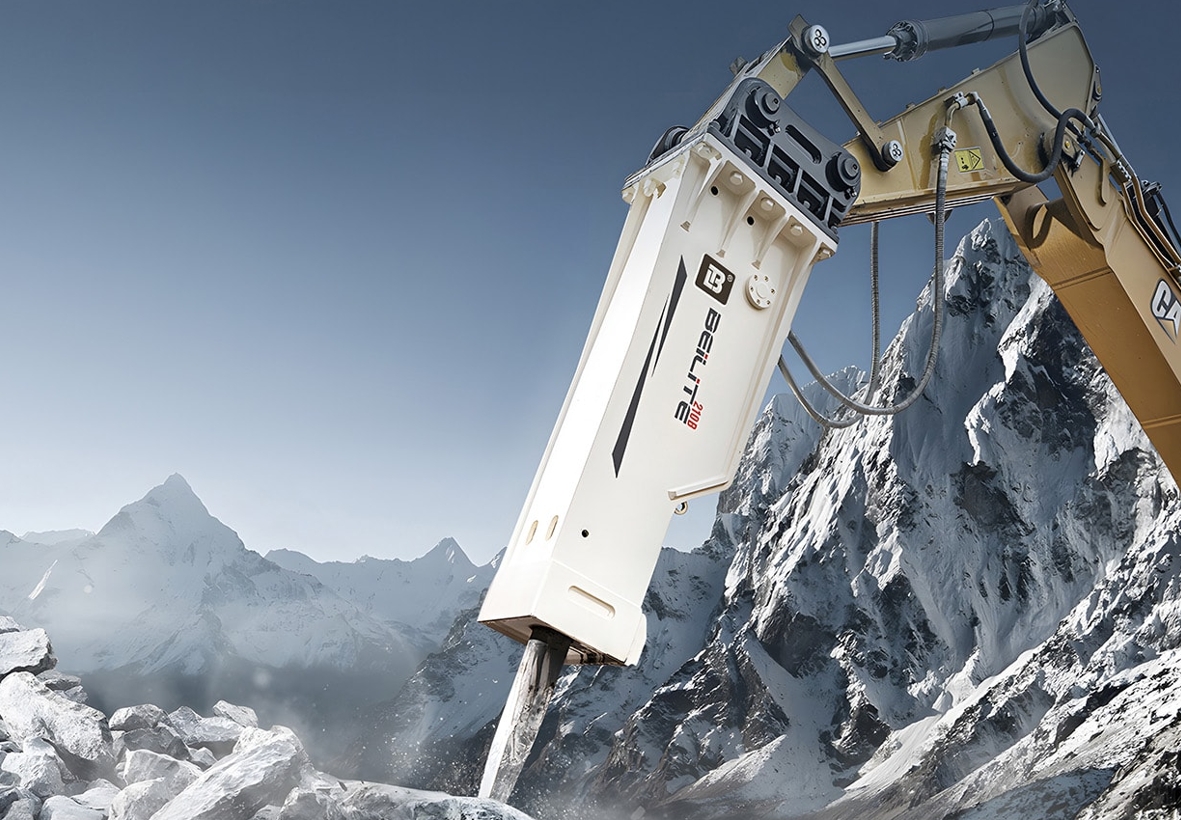
New vs. Used Equipment
The decision between purchasing a new or used hydraulic breaker significantly impacts the initial cost. New breakers come with warranties and the latest technology, offering peace of mind and potentially lower maintenance in the short term. Used breakers, while more affordable upfront, may carry higher risks of wear and require more immediate maintenance. A thorough inspection by a qualified technician is essential when considering used equipment to assess its condition and remaining lifespan.
Expert Insight
The hydraulic breaker market is continuously evolving, driven by demands for increased efficiency, reduced environmental impact, and enhanced operator safety. We anticipate a growing trend towards more intelligent and integrated hydraulic systems. Future breakers will likely feature advanced sensor technology for real-time performance monitoring and predictive maintenance. For instance, by leveraging data from components like the Piston Control Valve and Accumulator Gas Pressure, operators can optimize performance and prevent unexpected failures. This shift will lead to Hydraulic break to improve efficiency in operational costs and improve productivity across various industries.
About the Author
We are a team of seasoned professionals with deep expertise in heavy machinery and construction equipment. Our collective experience spans decades in designing, manufacturing, and servicing hydraulic breakers and related attachments. We are committed to sharing our knowledge and insights to help you make informed decisions, ensuring you achieve optimal performance and longevity from your equipment. Our focus is on practical, data-driven advice, grounded in real-world application and engineering principles.
Contact Our Specialists
Do you have specific questions about hydraulic breaker pricing or need assistance in selecting the right model for your project? Contact our specialists to explore tailored solutions. Our team is ready to provide expert guidance and support.
FAQs
Q1: What is the average lifespan of a hydraulic breaker?
A1: The lifespan of a hydraulic breaker varies depending on usage intensity, maintenance quality, and operating conditions. With proper maintenance, including regular lubrication and timely replacement of wear parts like the Seal Kit, a hydraulic breaker can last for many years, often exceeding 5,000 to 10,000 operating hours.
Q2: How often should I perform maintenance on my hydraulic breaker?
A2: Routine maintenance, such as checking the Accumulator Gas Pressure and lubricating the Working Tool with Chisel Paste, should be performed daily or before each shift. More comprehensive inspections and servicing, including checking the Tool Pin and bushings, are typically recommended every 250-500 operating hours, or as specified by the manufacturer.
Q3: Can I use any hydraulic oil with my breaker?
A3: No, it is crucial to use hydraulic oil that meets the manufacturer’s specifications for viscosity and quality. Using the wrong type of oil can lead to reduced performance, increased wear on internal components like the Piston and Valve Assembly, and potential damage to the hydraulic system.
Q4: What are the signs that my hydraulic breaker needs repair?
A4: Common signs that a hydraulic breaker needs repair include a noticeable decrease in impact power, unusual noises during operation, excessive oil leakage from the Seal Kit, or visible damage to the Breaker Box or Working Tool. Promptly addressing these issues can prevent more extensive and costly repairs.
Q5: How does the Impact Rate affect a hydraulic breaker’s performance?
A5: The Impact Rate, measured in BPM, indicates how many times the piston strikes the working tool per minute. A higher impact rate is generally suitable for softer materials or when speed is critical, while a lower impact rate with higher individual impact energy is more effective for very hard rock. The optimal impact rate depends on the specific material and application.
Keyword: hydraulic breaker pricing, hydraulic hammer cost, breaker cost range, small hydraulic breaker price, medium hydraulic breaker price


