

Demolition projects demand equipment that can withstand extreme forces, deliver consistent power, and operate with high efficiency. At Beilite, we understand that a hydraulic breaker for demolition is not merely an attachment; it is the core of productivity on any site involving the breaking of rock, concrete, or other hard materials. We engineer our hydraulic breakers to be robust, reliable, and capable of tackling the toughest challenges, ensuring our clients achieve their project goals with minimal downtime and optimal cost-effectiveness.
Our focus is on delivering solutions that directly address the operational demands of demolition. This means designing breakers that integrate seamlessly with various carriers, providing superior impact energy, and ensuring longevity through advanced material science and precision manufacturing. We know that every minute counts in demolition, and our equipment is built to perform under pressure, day in and day out.
Selecting the Right Hydraulic Breaker for Demolition Projects
Choosing the appropriate hydraulic breaker for demolition is critical for both project success and equipment longevity. A mismatch can lead to reduced efficiency, increased wear, and unnecessary operational costs. We guide our clients through this selection process, ensuring they get the right tool for their specific application.
Matching Breaker Size to Carrier Operating Weight
The first and most fundamental step in selecting a hydraulic breaker is ensuring it is properly matched to the carrier, typically an excavator. The carrier operating weight dictates the maximum size and power of the hydraulic breaker that can be safely and efficiently operated. An undersized breaker on a large excavator will be ineffective, while an oversized breaker can put undue stress on the excavator’s boom and hydraulic system. We provide clear guidelines for matching our breakers to various excavator tonnage classes, ensuring optimal balance and performance.
For instance, a heavy-duty hydraulic breaker like our BLT-135 is designed for excavators in the 18-22 ton range, providing the necessary stability and hydraulic power. This precise matching is essential for maximizing both the breaking force and the lifespan of both the breaker and the carrier. If you’re interested in this topic, check out our article 《How to choose a hydraulic breaker
Understanding Key Performance Metrics: Impact Rate and Operating Pressure
Two critical metrics define a hydraulic breaker’s performance: impact rate (BPM – Beats Per Minute) and operating pressure. The impact rate refers to how many times the piston strikes the working tool per minute. A higher impact rate generally translates to faster material breakdown, especially in softer or fractured materials. However, for harder materials, sustained high impact energy per blow is often more important.
Operating pressure (measured in bar or MPa) is the hydraulic pressure required for the breaker to function effectively. Our breakers are designed to operate within specific pressure ranges to deliver maximum impact energy while protecting the carrier’s hydraulic system. For example, our BLT-135 operates at a working pressure of 160-180 bar, delivering powerful, consistent blows. More people are focusing on key words: Hydraulic break to improve efficiency.
Choosing the Optimal Working Tool for Different Materials
The effectiveness of a hydraulic breaker for demolition also heavily relies on the choice of working tool. We offer a range of tools, each designed for specific demolition tasks:
- MOIL POINT: This is the most common tool, ideal for general breaking of rock and concrete due to its excellent penetration capabilities.
- NARROW CHISEL: Used for cutting and trenching, particularly effective in breaking layered rock or concrete slabs.
- BLUNT TOOL: Best for secondary breaking of large boulders or for compaction, as it distributes impact force over a wider area, preventing the tool from getting stuck.
Selecting the correct working tool ensures that the impact energy is applied most effectively to the material, enhancing efficiency and reducing tool wear.
Beilite’s Solution: Engineered for Demolition Excellence
At Beilite, we don’t just manufacture hydraulic breakers; we engineer solutions for the most demanding demolition environments. Our products are a testament to our deep understanding of the industry’s needs, combining raw power with precision and durability.
Our Commitment to Durability and Power
We build our heavy-duty hydraulic breaker units with high-strength alloys and advanced heat treatment processes, ensuring exceptional resistance to wear and fatigue. The breaker box and internal components, such as the piston and cylinder body assembly, are designed for maximum resilience. This commitment to quality minimizes downtime and extends the operational life of our breakers, providing a significant return on investment for our clients.
Expert Insight: The Synergy of Impact Force and Energy Efficiency
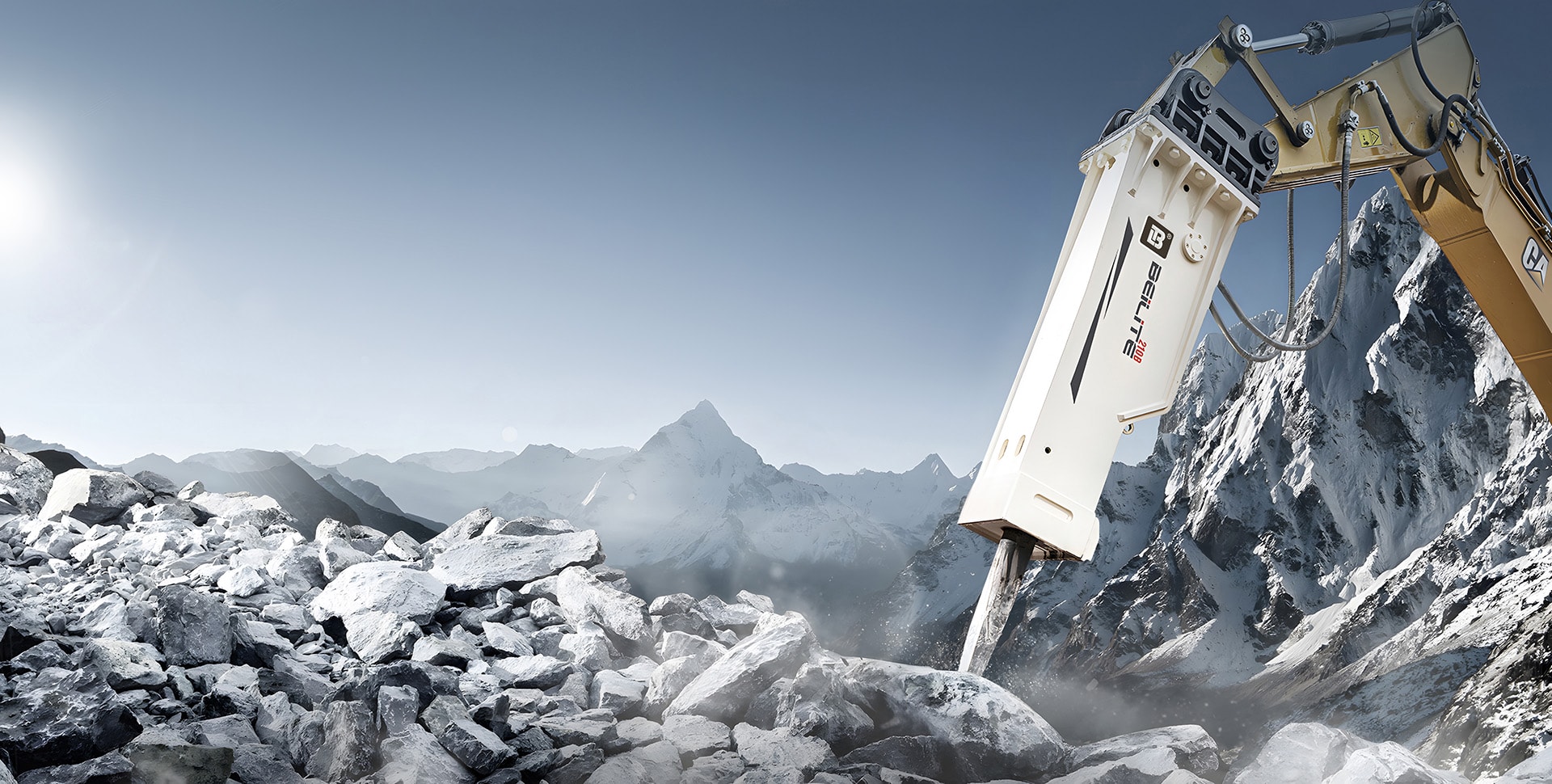
Our engineering philosophy centers on achieving a powerful impact force without compromising energy efficiency. This balance is crucial for reducing fuel consumption and overall operating costs. For instance, our BLT-135 model, designed for 18-22 ton excavators, features a 135mm chisel diameter, an operating pressure of 160-180 bar, and an impact rate of 350-500 BPM. This precise calibration ensures that the hydraulic energy from the carrier is converted into maximum effective breaking power. By optimizing the oil flow and operating pressure, we ensure that our breakers deliver consistent, high-energy blows while minimizing wasted energy, directly translating to lower fuel bills and reduced wear on the carrier’s hydraulic system. This focus on efficiency makes our breakers a cost-effective choice for long-term demolition projects.
Beilite Hydraulic Breaker Models for Demolition
We offer a comprehensive range of hydraulic breakers tailored for various demolition scales and carrier sizes. Below is a comparison of some of our popular models suitable for diverse demolition applications:
| Model | Total Length (mm) | Total Weight (kg) | Chisel Diameter (mm) | Working Oil Flow (l/min) | Working Pressure (bar) | Impact Rate (BPM) | Applicable Excavator (t) |
|---|---|---|---|---|---|---|---|
| BLT-135 | 2730 | 1736 | 135 | 100~150 | 160~180 | 350~500 | 18~22 |
| BLT-140 | 2782 | 1910 | 140 | 120~180 | 160~180 | 350~500 | 20~24 |
| BLT-150 | 3099 | 2310 | 150 | 150~210 | 180~200 | 200~300 | 24~27 |
This table illustrates how we scale our designs to meet specific project requirements, from medium to heavy-duty demolition. Each model is engineered for optimal performance within its designated carrier weight class.
From Our Field Engineers: Maximizing Breaker Lifespan and Performance
Our field engineers have spent decades on sites, witnessing firsthand what makes a hydraulic breaker last and perform at its peak. Their insights are invaluable for any operator looking to get the most out of their excavator demolition attachment.
Proper Maintenance Practices for Demolition Breakers
Regular and proper maintenance is the cornerstone of extending the life of any hydraulic breaker. We emphasize daily checks and adhering to recommended service intervals. Key practices include:
- Lubrication: Consistent application of chisel paste to the working tool and bushings is crucial. This high-temperature, high-pressure grease reduces friction and wear between the working tool and the outer bushing and inner bushing. Neglecting lubrication is a leading cause of premature wear.
- Seal Kit Inspection: Regularly inspect the seal kit for any signs of leakage. Timely replacement of worn O-rings and U-cup seals prevents hydraulic fluid contamination and maintains optimal operating pressure.
- Bolt Tightness: Check the tightness of shell bolts and through bolts regularly. Loose bolts can lead to excessive vibration and structural damage.
These simple yet critical steps can significantly reduce maintenance costs and prevent major breakdowns.
Optimizing Operation for Reduced Wear and Tear
Beyond maintenance, operational techniques play a significant role in the longevity of your rock demolition equipment.
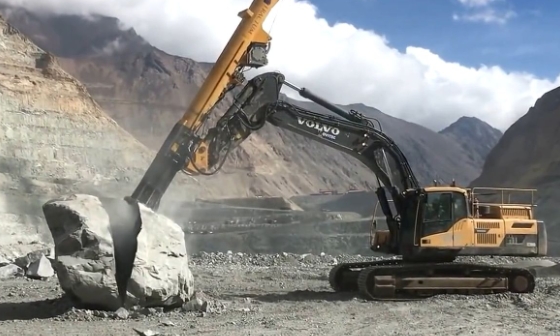
- Correct Breaking Technique: Apply consistent downward pressure on the breaker. Avoid ‘blank firing’ – operating the breaker without the tool in contact with the material – as this can cause severe damage to the internal components, especially the piston and valve assembly.
- Optimal Angle: Position the working tool perpendicular to the material surface whenever possible to maximize energy transfer and minimize tool deflection.
- Hydraulic System Health: Monitor the carrier’s hydraulic system. Ensure the oil flow and operating pressure are within the specified range for the breaker. An improperly adjusted hydraulic system can lead to overheating or insufficient power. The accumulator also plays a vital role in absorbing pressure spikes and enhancing impact energy, so its accumulator gas pressure should be checked periodically.
By following these guidelines, operators can significantly extend the service life of their Beilite hydraulic breakers and maintain peak performance.
FAQs about Hydraulic Breakers for Demolition
Q1: How do I know if my hydraulic breaker is properly matched to my excavator?
A1: We provide specific matching charts for each Beilite hydraulic breaker model, indicating the recommended carrier operating weight range. This ensures optimal performance and prevents undue stress on both the breaker and the excavator. Always consult your equipment’s specifications or contact our technical support for precise guidance.
Q2: What is the typical lifespan of a working tool, and how can I extend it?
A2: The lifespan of a working tool varies greatly depending on the material being broken, operating technique, and maintenance. To extend its life, ensure proper lubrication with chisel paste, avoid blank firing, and use the correct tool type (e.g., moil point, narrow chisel, blunt tool) for the specific application. Regular inspection for cracks or excessive wear is also important.
Q3: How often should the accumulator gas pressure be checked?
A3: The accumulator gas pressure is crucial for the breaker’s performance and should be checked regularly, typically every 200-300 operating hours, or as specified in your breaker’s manual. Incorrect pressure can lead to reduced impact energy and increased wear on internal components. A charging regulator is required for this procedure.
Q4: What are the signs that my hydraulic breaker needs maintenance or repair?
A4: Common signs include reduced impact power, abnormal noise or vibration, oil leakage (indicating worn seal kits), excessive heating of the breaker or hydraulic lines, and frequent blank firing. Addressing these issues promptly can prevent more extensive and costly repairs.
Q5: Can Beilite hydraulic breakers be used for underwater demolition?
A5: Some specialized Beilite hydraulic breakers can be adapted for underwater demolition with specific modifications and seals to prevent water ingress. Please consult with our sales or technical team to discuss your specific underwater demolition requirements and suitable models.
About the Author
Li Mingxuan is a senior expert with 18 years of experience in the hydraulic breaker industry. He is proficient in equipment research and development, application, and construction in extreme environments, and is a recognized technical authority in the industry.
We are dedicated to providing the most reliable and efficient hydraulic breaker for demolition solutions. For personalized advice on selecting the right breaker for your next project or to learn more about our product range, contact our experts today. We are ready to help you achieve unparalleled productivity and durability.
Keywords: hydraulic breaker for demolition, heavy-duty hydraulic breaker, excavator demolition attachment, concrete breaking hammer, rock demolition equipment


