

Understanding the true hydraulic breaker cost involves more than just the initial purchase price. It encompasses a range of factors, from the breaker’s size and technology to its long-term operating and maintenance expenses. We aim to provide a clear picture of what you can expect to invest when acquiring and running a hydraulic breaker.
A small hydraulic breaker for a 1-ton excavator might start from a few thousand dollars, while a heavy-duty model for a 30-ton excavator can reach tens of thousands. These figures represent the initial investment, but the total ownership cost (TCO) is what truly matters over the equipment’s lifespan. We will explore these elements to help you make an informed decision.
Key Factors Influencing Hydraulic Breaker Price
Several critical elements determine the price of a hydraulic hammer price. These factors directly relate to the breaker’s capability, durability, and operational efficiency.
Breaker Size and Impact Energy
The physical size and the impact energy of a hydraulic breaker are primary cost drivers. Larger breakers, designed for bigger excavators, require more materials, more complex engineering, and deliver greater impact force. This translates to a higher price. For instance, our BLT-40 model, suitable for 0.5-1.2t excavators, has a chisel diameter of 40mm and a total weight of 86kg. In contrast, the BLT-155, designed for 27-33t excavators, features a 155mm chisel diameter and weighs 2610kg. The substantial difference in size and power directly impacts their respective price points. The larger the breaker, the higher the excavator breaker cost.
Manufacturing Quality and Materials
The quality of materials and manufacturing processes significantly affects a breaker’s durability and, consequently, its price. High-grade steel for the breaker box, precision-machined internal components like the piston and cylinder body, and heat-treated working tools (such as our forged chisels) ensure a longer service life and better performance. These superior materials and processes reduce wear and tear, minimizing the need for frequent part replacements and lowering long-term maintenance costs. Investing in a breaker made with robust materials means fewer breakdowns and more uptime.
Brand Reputation and Technology
Established brands with a history of reliability and performance often command higher prices due to their proven track record and advanced technology. Features such as sophisticated valve assembly designs for optimized oil flow, efficient accumulator systems for consistent impact energy, and advanced sealing technologies contribute to better performance and longevity. These technological advancements protect the host machine’s hydraulic system and enhance overall productivity, justifying a higher initial hydraulic breaker attachment cost.
Features and Accessories
Additional features and accessories can also influence the overall cost. For example, a silent outer casing, which significantly reduces noise levels, adds to the manufacturing cost but offers environmental and operational benefits. Automatic lubrication systems, essential for maintaining the working tool and bushings, represent an upfront cost that pays off by extending component life and reducing manual maintenance. These features enhance the breaker’s functionality and user experience.
Breaking Down the Total Ownership Cost (TCO)
When considering the hydraulic breaker cost, we look beyond the initial purchase. The total ownership cost (TCO) provides a more accurate financial picture, encompassing purchase price, operating expenses, and maintenance over the equipment’s lifespan.
Initial Purchase Price
The initial purchase price for a hydraulic break varies widely based on size, brand, and features. For small excavators (0.5-3.5 tons), you might find breakers ranging from a few thousand to around $10,000 USD. Mid-range breakers (5-15 tons) can cost anywhere from $15,000 to $40,000 USD. Large breakers (20+ tons) can easily exceed $50,000 USD, with some specialized models reaching over $100,000 USD. For example, our BLT-40 is designed for 0.5-1.2t excavators, while the BLT-155 suits 27-33t machines. The price difference between these models reflects their scale and power.
Operating Costs
Operating costs primarily include fuel consumption of the carrier, hydraulic oil, and labor. A more efficient hydraulic breaker will require less hydraulic oil flow and pressure from the excavator, reducing fuel consumption. For instance, our BLT-100 model requires an oil flow of 80-110 l/min and an operating pressure of 150-170 bar. Matching the breaker correctly to the excavator’s hydraulic system is crucial to optimize fuel efficiency and minimize wear on both machines. An improperly matched breaker can lead to increased fuel consumption and premature wear on the excavator’s hydraulic pump, driving up hydraulic breaker operating costs.
Maintenance and Repair Costs
Maintenance and repair are ongoing expenses. Key wear parts include the working tool (chisel), outer bushing, inner bushing, and seal kit. The frequency of replacement depends on the material being broken and the operating conditions. For example, a moil point used in hard rock will wear faster than a blunt tool used for secondary breaking. The cost of hydraulic breaker parts can add up, making the durability of components a critical factor in TCO. Regular lubrication with chisel paste and timely replacement of worn seals are essential to prevent more costly repairs to internal components like the piston and cylinder body. We recommend adhering to the manufacturer’s maintenance schedule to extend the life of your breaker.
From Our Field Engineers: Optimizing Chisel Life
From our field engineers: One of the most common mistakes we see is improper use of the working tool. Operators often apply excessive pressure or use the wrong type of chisel for the material. For example, using a moil point for trenching instead of a narrow chisel can lead to premature wear and breakage. Always ensure the chisel is properly lubricated with chisel paste via the grease nipple. A well-lubricated chisel reduces friction and heat, significantly extending its lifespan and reducing your breaker chisel cost. We once had a client who was replacing chisels every two weeks. After proper training on tool selection and lubrication, their chisel life extended to over two months, saving them thousands annually in replacement costs.
贝力特 Hydraulic Breakers: Value Beyond Price
At Beilite, we believe in delivering value that extends beyond the initial purchase price. Our focus is on engineering hydraulic breakers that offer superior performance, durability, and a lower total ownership cost.
Matching the Right Breaker to Your Excavator
Selecting the correct hydraulic break is the single most critical decision you will make to ensure high productivity and prevent damage to your equipment. We offer a wide range of models, each precisely engineered to match specific excavator weight classes. For example, our BLT-70 is designed for 4.5-6t excavators, while the BLT-135 is for 18-22t machines. A perfect match ensures optimal power transfer, minimizes stress on the excavator’s hydraulic system, and maximizes the breaker’s impact efficiency. This precision matching prevents costly repairs and ensures you get the most out of your investment. How to choose a hydraulic breaker
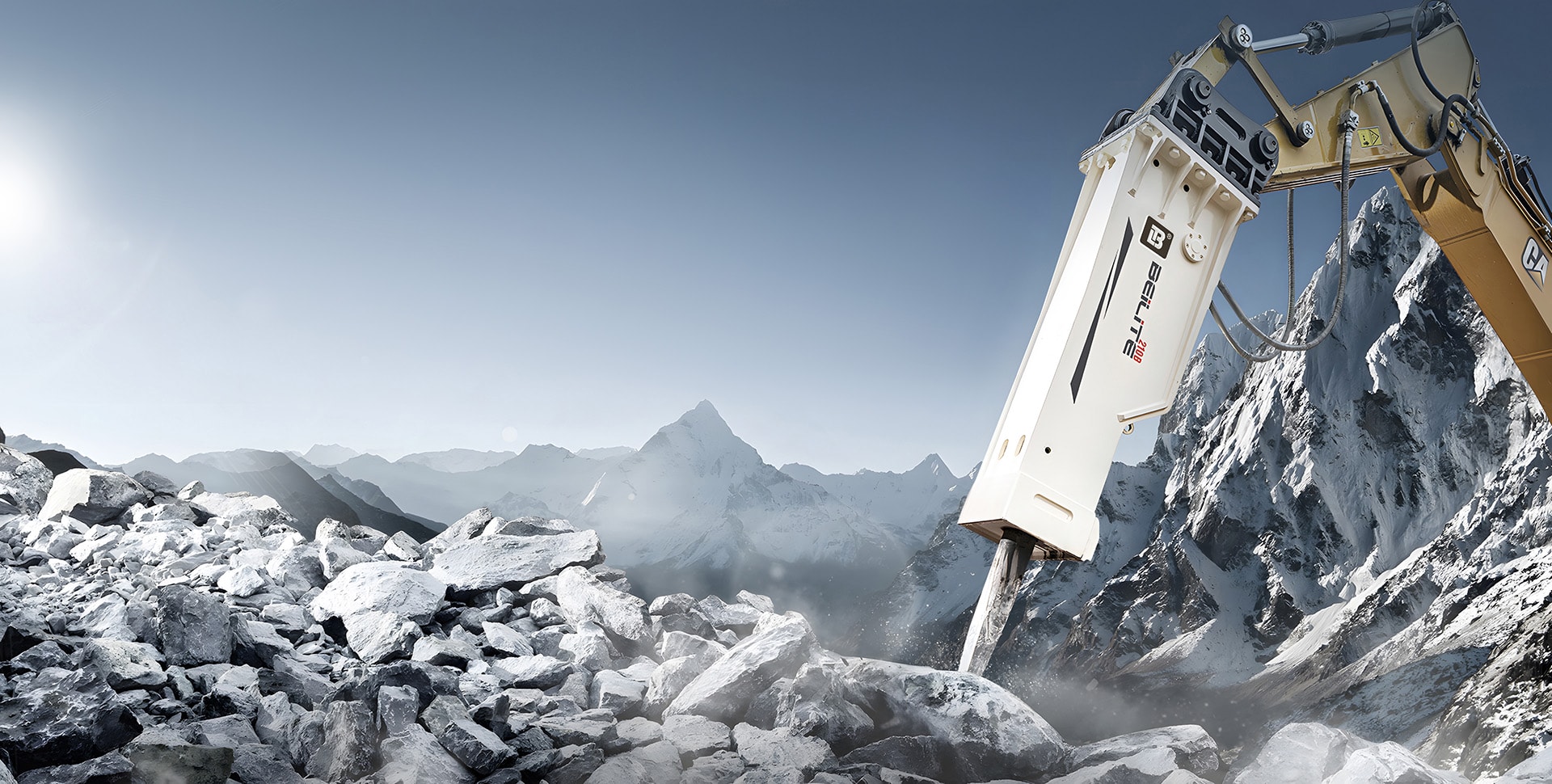
Durability and Performance: Our Competitive Edge
Our hydraulic breakers are built to withstand the toughest conditions. We use high-strength alloys for critical components like the piston and cylinder, and our breaker boxes are constructed with wear-resistant materials. This commitment to quality means our breakers deliver consistent, powerful impacts over a longer lifespan, reducing downtime and lowering hydraulic hammer repair cost. Our BLT-155, for instance, operates at 200-220 bar with an impact rate of 200-300 bpm, demonstrating its robust design and ability to handle demanding tasks efficiently. This combination of durability and performance ensures a higher return on your investment.
Long-Term Investment and ROI
While the initial hydraulic breaker price range might seem like a significant outlay, consider the long-term return on investment (ROI). A Beilite hydraulic breaker, with its high efficiency and low maintenance requirements, translates into more work completed in less time and fewer unexpected repair expenses. This operational reliability and extended service life mean lower overall TCO, making our breakers a financially sound choice for any operation. We provide detailed guidance to help you calculate the potential savings and increased productivity our breakers can offer.
Expert Insight: The Future of Hydraulic Breaker Technology
Looking ahead, the hydraulic breaker industry is moving towards even greater efficiency, intelligence, and sustainability. We foresee a future where breakers are not only more powerful but also more integrated with the carrier’s systems, offering predictive maintenance capabilities and real-time performance optimization. For example, our BLT-155 model already operates at a high working pressure of 200-220 bar and delivers 200-300 impacts per minute, showcasing the drive for high impact energy. Future advancements will focus on maintaining this power while significantly reducing energy consumption and noise levels, possibly through advanced accumulator designs and lighter, stronger materials. The demand for silent outer casings will grow as urban construction projects become more common. This evolution will further reduce operating costs and enhance environmental compliance, making hydraulic breakers even more valuable assets for our customers.
About the Author
An old man with 18 years of experience
Need help choosing the right hydraulic breaker? Contact our experts for a personalized recommendation.
FAQs About Hydraulic Breaker Costs
Q1: What is the average lifespan of a hydraulic breaker?
A1: The lifespan of a hydraulic breaker varies significantly based on usage, maintenance, and the quality of the unit. With proper maintenance and operation, a high-quality hydraulic breaker can last 5 to 10 years or even longer. Regular servicing, correct chisel selection, and timely replacement of wear parts are crucial for extending its life.
Q2: Are used hydraulic breakers a good investment?
A2: Used hydraulic breakers can be a cost-effective option, but they come with risks. We recommend a thorough inspection by a qualified technician to assess the condition of internal components, seals, and the breaker box. Check service records for maintenance history. While the initial used hydraulic breaker price is lower, potential repair costs could outweigh the savings if the unit is not in good condition.
Q3: How often do I need to replace the working tool (chisel)?
A3: The frequency of chisel replacement depends on the material being broken, operating hours, and operator technique. In abrasive materials like granite, chisels may need replacement more often. Proper lubrication and avoiding blank firing (operating without contact with the material) can significantly extend chisel life. Our field engineers advise inspecting the chisel daily for wear.
Q4: What are the main components that contribute to hydraulic breaker maintenance costs?
A4: The primary contributors to maintenance costs are wear parts such as the working tool (chisel), inner and outer bushings, and seal kits. The accumulator diaphragm may also need periodic replacement. Regular lubrication with chisel paste and checking the accumulator gas pressure are essential preventive measures that help control these costs.
Q5: How does matching the breaker to the excavator affect costs?
A5: Correctly matching the hydraulic breaker to your excavator’s weight and hydraulic capacity is vital. An undersized breaker will be inefficient, leading to longer job times and higher fuel consumption. An oversized breaker can damage the excavator’s boom and hydraulic system, resulting in expensive repairs. Proper matching ensures optimal performance, efficiency, and minimizes wear on both machines, directly impacting your hydraulic breaker running costs.


