

Investing in a hydraulic breaker is a significant decision for any construction or demolition project. The cost varies widely, influenced by numerous factors from size and brand to specific features and condition. Generally, a new hydraulic breaker can range from $5,000 for smaller models to over $100,000 for heavy-duty units. Understanding these factors helps you make an informed purchase that aligns with your operational needs and budget.
Understanding Hydraulic Breaker Costs
When we talk about the cost of a hydraulic breaker, we consider more than just the initial purchase price. The overall investment includes the breaker itself, its operating costs, and long-term maintenance. Each component plays a role in the total cost of ownership.
Initial Purchase Price Range
The price of a new hydraulic breaker is primarily determined by its size, impact energy, and the manufacturer’s reputation. Small breakers for mini-excavators might start at approximately $5,000 to $15,000. Mid-range breakers for 10-20 ton excavators typically fall between $20,000 and $50,000. Large, heavy-duty breakers designed for 30-ton and larger excavators can cost upwards of $60,000 to $100,000 or more. Used hydraulic breakers offer a lower entry point, often 30-70% of the new price, but come with potential risks related to wear and remaining lifespan.
Factors Influencing Hydraulic Breaker Price
Several elements contribute to the final price tag:
Size and Impact Energy: Larger breakers with higher impact energy naturally cost more due to increased material use and engineering complexity. A breaker with a 155mm working tool diameter, like our BLT-155, will have a different price point than a BLT-40 with a 40mm chisel diameter.
Brand and Quality: Established brands with a reputation for durability and performance often command higher prices. This is because they invest in superior materials, precision manufacturing, and rigorous testing. We prioritize quality to ensure our breakers deliver consistent performance and a longer service life.
Features and Technology: Advanced features such as automatic lubrication systems, energy recovery systems, or silent outer casings can increase the price. These features, however, often translate into higher efficiency, reduced noise, and lower long-term operating costs.
New vs. Used: New breakers come with warranties and the latest technology, ensuring reliability. Used hydraulic hammers are cheaper but require careful inspection for wear and tear, especially on critical components like the piston and cylinder body assembly.
Dealer and Region: Prices can vary based on the dealer’s location, their service offerings, and regional market conditions. Local support and parts availability are important considerations.
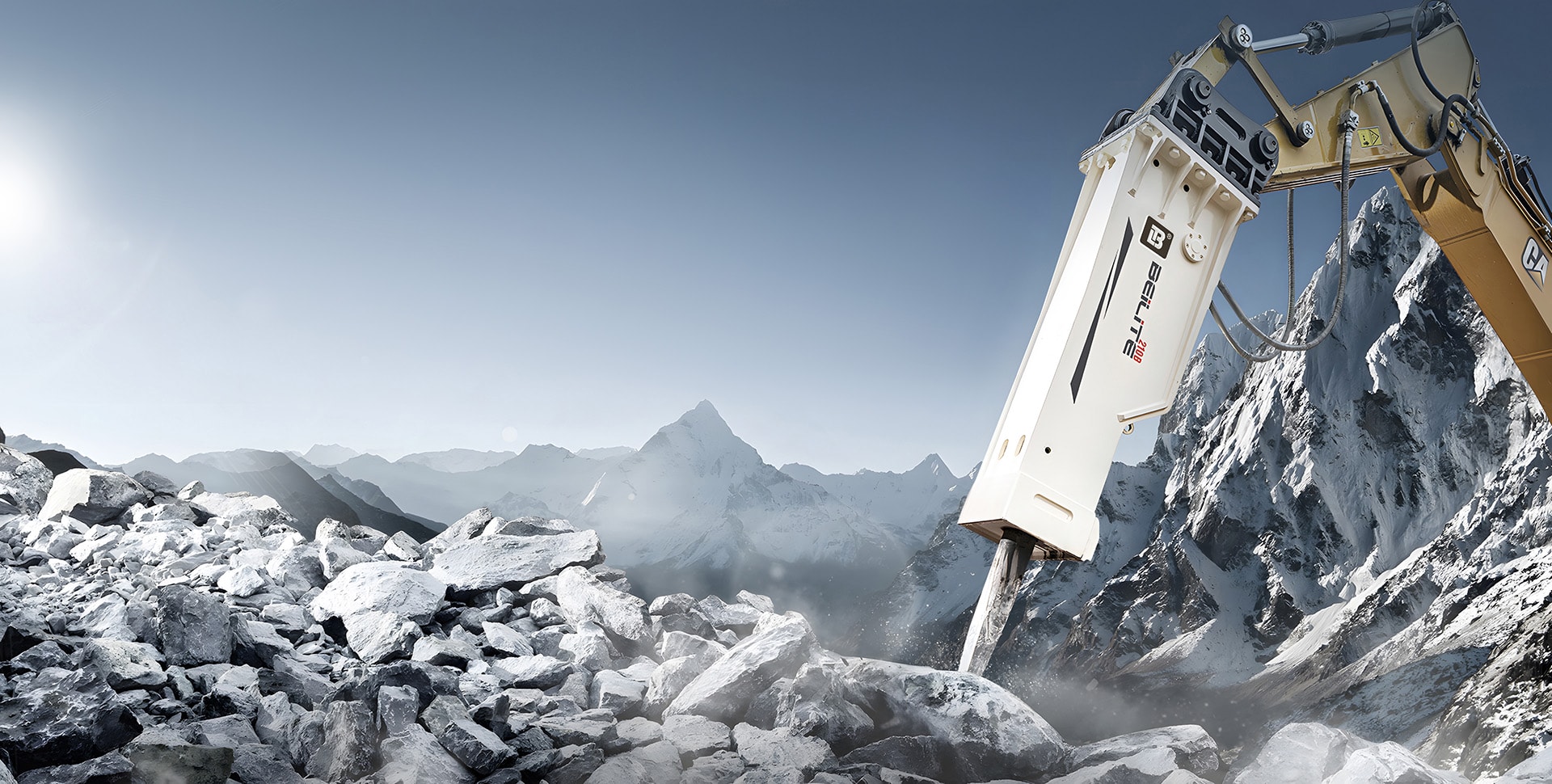
Cost by Breaker Size and Type
We categorize hydraulic breakers by the size of the carrier they attach to, which directly impacts their cost and application.
Mini Hydraulic Breakers
These are for excavators typically under 5 tons. They are suitable for light demolition, landscaping, and interior work. Their cost generally ranges from $5,000 to $15,000. For example, our BLT-40, designed for 0.5-1.2t excavators, has a 40mm chisel diameter and is an entry-level option for small-scale projects. The working oil flow for such models is typically 15-30 l/min.
Medium Hydraulic Breakers
Designed for 5-20 ton excavators, these are the most common type, used in general construction, road building, and quarrying. Prices usually range from $20,000 to $50,000. Our BLT-100, suitable for 10-14t excavators, features a 100mm chisel diameter and requires an oil flow of 80-110 l/min. This size offers a balance of power and maneuverability for a wide range of tasks.
Heavy-Duty Hydraulic Breakers
These are for excavators over 20 tons, tackling large-scale demolition, mining, and heavy rock breaking. Costs can exceed $60,000, reaching $100,000 or more. The BLT-155, for 27-33t excavators, with its 155mm chisel diameter and 180-240 l/min oil flow, represents a significant investment but delivers substantial breaking power for demanding applications.
Silent Versus Open Breakers
Silent outer casings, which fully enclose the breaker core, reduce noise pollution significantly. This is crucial for urban projects or areas with strict noise regulations. While silent breakers may have a slightly higher initial cost, they offer benefits in terms of environmental compliance and operator comfort. Open-type breakers are generally more affordable but louder.
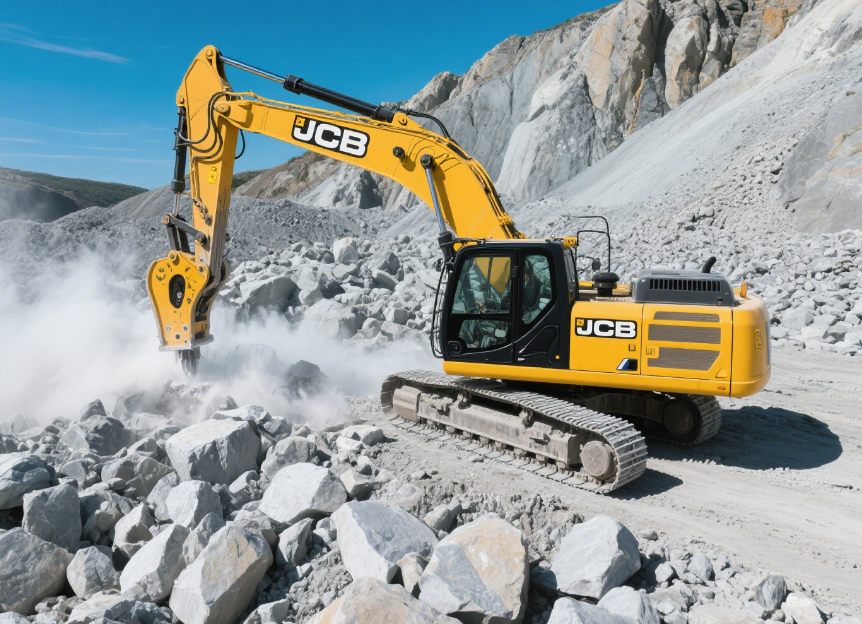
Beyond the Sticker Price: Total Cost of Ownership
The initial purchase price is only one part of the equation. We encourage our customers to consider the total cost of ownership (TCO) over the lifespan of the hydraulic breaker. This includes operational expenses, maintenance, and potential resale value.
Operating Costs
Operating costs primarily involve fuel consumption of the carrier and hydraulic oil. A well-matched hydraulic breaker will operate efficiently, minimizing fuel burn. Incorrectly matched breakers can strain the carrier’s hydraulic system, leading to higher fuel consumption and premature wear. The operating pressure and oil flow specifications (e.g., BLT-155’s 200-220bar working pressure) are critical for efficient operation.
Maintenance and Spare Parts
Regular maintenance, including proper lubrication with chisel paste and timely replacement of wear parts like the working tool, outer bushing, and seal kit, is crucial. The quality of these parts directly impacts downtime and costs. We ensure our spare parts are readily available and meet high standards to extend the life of your breaker. For instance, maintaining the correct accumulator gas pressure is vital for consistent impact performance and preventing damage.
Installation and Setup Costs
Connecting the hydraulic breaker to your carrier involves mounting brackets, hydraulic hoses, and specialized fittings. These components and the labor for installation add to the overall cost. Ensuring correct installation prevents operational issues and extends the life of both the breaker and the carrier.
Resale Value
A high-quality hydraulic breaker from a reputable manufacturer tends to retain a better resale value. This is a return on investment that offsets the initial purchase price over time. Our focus on durable components and robust design helps maintain the value of our products.
How to choose a hydraulic breaker
Making a Smart Investment: Our Recommendation
Choosing the right hydraulic breaker is about more than just the price; it’s about finding the best value for your specific needs. We guide our clients through this process to ensure they make a decision that pays off in the long run.
Matching the Breaker to Your Carrier
Always ensure the hydraulic breaker is compatible with your excavator’s operating weight and hydraulic output. An undersized breaker will be inefficient, while an oversized one can damage your carrier. Consult the ‘Applicable Excavator’ specifications for each model, such as the BLT-70 for 4.5–6t excavators, to find the perfect match.
Prioritizing Quality and Durability
While a lower initial price might be tempting, it often leads to higher maintenance costs and shorter lifespan. We use high-grade materials and precision engineering in our hydraulic breakers. This includes hardened steel for the piston and working tool, and durable seals designed to withstand harsh working conditions. Our products, like the BLT-135, with its robust design for 18-22t excavators, are built to last.
Considering After-Sales Support
Reliable after-sales support, including parts availability, technical assistance, and warranty, is crucial. We stand by our products and provide comprehensive support to minimize your downtime and ensure your operations run smoothly. This support is a hidden value that affects the true cost of ownership.
Expert Insight: The Long-Term Value of Quality
From Our Field Engineers: We often see clients initially drawn to the lowest price point, only to face recurring issues and higher overall expenses down the line. A common scenario is a customer purchasing a cheaper breaker for a 30-ton excavator, only to find its impact rate and working pressure are insufficient for their rock-breaking tasks. This leads to longer project times, increased fuel consumption, and frequent breakdowns.
Our BLT-155, designed for 27-33t excavators, boasts a working pressure of 200-220bar and a 155mm chisel diameter. While its initial cost might be higher than some alternatives, its robust design and high performance reduce the need for constant repairs and replacements. In one instance, a client switched from a lower-cost breaker to our BLT-155 for a quarry operation. They reported a 20% increase in breaking efficiency and a 30% reduction in maintenance costs over the first year. This demonstrates that investing in a quality hydraulic breaker, like the BLT-155, ultimately leads to a lower total cost of ownership and higher productivity over its lifespan. The upfront investment in quality pays dividends through extended operational life and reduced downtime.
About the Author
An old man with 18 years of experience
Need help choosing the right hydraulic breaker? Contact our experts for a personalized recommendation.
FAQs
What is the average cost of a hydraulic breaker?
The average cost varies significantly based on size and type. Small breakers can be $5,000-$15,000, medium ones $20,000-$50,000, and heavy-duty models $60,000-$100,000+. Used breakers are generally 30-70% less.Does brand affect the price of a hydraulic breaker?
Yes, established brands with a reputation for quality, durability, and strong after-sales support typically have higher prices due to their investment in research, materials, and manufacturing processes.What are the hidden costs of owning a hydraulic breaker?
Beyond the purchase price, hidden costs include operating expenses (fuel, hydraulic oil), regular maintenance (chisel paste, wear parts, seal kits), installation, and the cost of downtime due to breakdowns.How can I reduce the total cost of ownership for a hydraulic breaker?
Reduce TCO by selecting a breaker correctly matched to your carrier, prioritizing quality for durability, adhering to a strict maintenance schedule, and ensuring good after-sales support for parts and service.Is it better to buy a new or used hydraulic breaker?
New breakers offer reliability, warranties, and the latest technology. Used breakers are cheaper but carry higher risks of wear, unknown maintenance history, and potentially higher repair costs. Your decision should weigh initial savings against long-term operational reliability and costs.
Keywords
Primary: How much does a hydraulic breaker cost?
Long-Tail: hydraulic breaker price range, factors affecting hydraulic breaker cost, new hydraulic hammer price, used hydraulic breaker cost, hydraulic breaker operating costs


