

As the Chief Child Development & Creativity Officer at Joycat, I frequently observe the challenges parents face with children’s organization. We understand that teaching children to manage their belongings, especially small items, is crucial for developing essential life skills. Our experience shows that integrating play and age-appropriate strategies transforms tidying from a chore into an engaging activity. We believe that fostering these habits early contributes significantly to a child’s overall development and independence.
Understanding Why Children Struggle with Organization
Children often struggle with organization due to several developmental factors. Their cognitive abilities for planning and executive function are still maturing. Young children possess a limited understanding of abstract concepts like “order” or “categorization.” Furthermore, their attention spans are shorter, making sustained tasks like tidying difficult. The sheer volume of small toys, craft supplies, and other items they accumulate can also overwhelm them. We recognize that what seems like a simple task to an adult can feel monumental to a child. Their natural inclination is often towards exploration and play, not systematic cleanup. This developmental stage requires parents to approach organization with patience, creativity, and realistic expectations.
Age-Appropriate Strategies for Introducing Tidying Habits
Introducing tidying habits effectively requires tailoring methods to a child’s developmental stage. We advocate for a progressive approach, starting with simple actions and gradually increasing complexity.
For toddlers (1-3 years), focus on basic “put away” actions. Use large bins and clear labels. Make it a routine, such as putting blocks in a bin before dinner.
For preschoolers (3-5 years), introduce sorting by color, shape, or type. Provide designated spots for specific items. Encourage participation in short tidying bursts.
For early elementary children (5-8 years), involve them in creating organizational systems. Teach them to make decisions about where things belong. Use visual schedules or checklists.
For older elementary children (8-12 years), empower them with more responsibility. They can maintain their own spaces and help organize common areas. Discuss the benefits of organization, like finding things easily.
Consistency is paramount at all ages. Regular, short tidying sessions are more effective than infrequent, long ones. Remember to celebrate their efforts and successes, reinforcing positive behavior.
Engaging Activities That Make Organizing Fun for Kids
Transforming tidying into an enjoyable activity is key to long-term success. We believe that fun and engagement are powerful motivators for children.
1. Incorporating play into tidying routines
Integrating play turns a chore into an adventure. For instance, turn tidying into a “race against the clock” to see who can put away the most toys before a timer goes off. Another idea is to pretend small items are “sleeping” in their designated homes. Use a toy truck or excavator to “transport” blocks back to their bin. For clothes, make a game of “laundry basketball” by tossing items into a hamper. These playful approaches make the process enjoyable and reduce resistance.
2. Using songs and stories to reinforce habits
Songs and stories are powerful tools for teaching and reinforcement. Create simple tidying songs with catchy tunes that outline the steps for putting things away. For example, a song about “blocks in the bin” or “books on the shelf” can guide their actions. Read books about characters who learn to organize, discussing the benefits with your child. These narratives provide positive role models and make the concept of tidying more relatable.
3. Creating a game out of putting things away
Gamification significantly increases children’s willingness to participate. Implement a “treasure hunt” where children find and put away specific items. Award points for each item correctly stored. Create a “sorting challenge” where they sort small items into categories. A “clean-up bingo” card with various tidying tasks can also motivate them. Offer small, non-monetary rewards for completing these games, such as extra story time or choosing the next family activity.
If you’re interested, check 《18 Best Educational Gifts for Kids This Thanksgiving 2025》.
Selecting the Right Tools to Encourage Organization
The right tools can significantly simplify and encourage organization for children. Thoughtful selection of storage solutions and multi-functional toys supports independent tidying.
1. Choosing accessible storage solutions
Accessible storage is fundamental. Children need to reach their storage containers easily. Use open bins, low shelves, and clear containers so they can see what goes where. Label bins with pictures for younger children and words for older ones. Consider stackable bins for small items like LEGOs or craft supplies. This visual clarity and ease of access reduce frustration and promote self-sufficiency.
2. Utilizing multi-functional toys for tidying
Some toys inherently encourage organization. Toys with built-in storage or those that require assembly and disassembly, like certain building sets, naturally teach children to put pieces back together. We design products with this principle in mind. For example, a toy that comes with its own carrying case promotes the habit of packing up after play.
3. Joycat products that promote organization
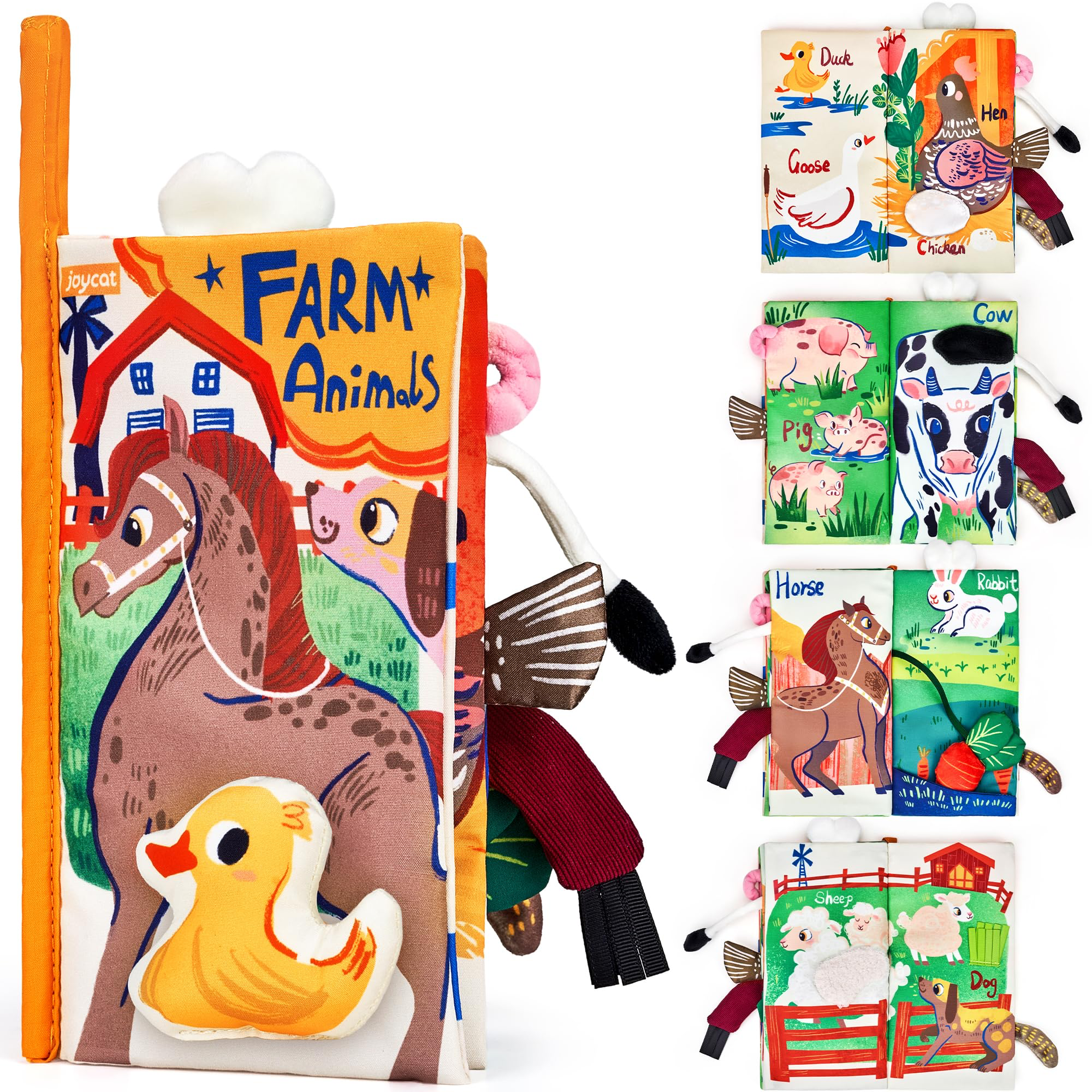
At Joycat, we develop products that naturally integrate organizational skills. Our Baby Unicorn Makeup Bag Playset is a prime example. All its accessories fit inside the cloud clutch, teaching children to pack up their treasures after imaginative play. This encourages tidy habits from a young age. Similarly, the Baby Crinkle Cloth Book with its detachable duck and pull-out carrot, encourages children to return pieces to their designated spots, fostering a sense of order. The Baby Owl Tummy Time Sensory Toy also features flexible wings that can be closed, making it a compact item for storage. These features make tidying an intuitive part of playtime.
| Age Group | Recommended Storage Solutions | Example Toys |
|---|---|---|
| 1-3 years | Large open bins, low shelves, clear containers | Stacking blocks, large soft toys |
| 3-5 years | Labeled bins (pictures), drawer organizers, toy chests | Play-doh sets, art supplies, small figurines |
| 5-8 years | Shelving units, compartmentalized boxes, wall organizers | LEGOs, action figures, craft kits |
| 8-12 years | Desk organizers, filing systems, personal storage boxes | Collectibles, detailed model kits, school supplies |
Practical Tips for Maintaining a Tidy Environment
Maintaining a tidy environment requires consistent effort and a structured approach. We offer several practical tips to help families integrate organization into their daily lives.
- Establish a routine: Implement a daily “power tidy” for 5-10 minutes before bedtime or a meal. Consistency builds habit.
- Model organized behavior: Children learn by observing. Keep your own spaces tidy and involve them in your organizational tasks.
- Declutter regularly: Periodically go through toys and clothes with your child. Donate or discard items they no longer use. This prevents overwhelming accumulation.
- Assign specific homes for everything: Ensure every item has a designated place. This eliminates guesswork and makes putting things away easier.
- Break down large tasks: If a room is very messy, break the tidying into smaller, manageable steps. Focus on one area or one type of item at a time.
- Use visual aids: Charts, checklists, or pictures can remind children of their tidying responsibilities.
- Be patient and positive: Learning organization is a process. Offer encouragement and praise effort, not just perfection.
- Involve children in decision-making: Let them choose where certain items belong. This gives them ownership and increases their commitment.
If you’re interested, check 《Best Christmas Gift Ideas for Kids and Parents 2025》.
Foster Organizational Skills with Joycat
Developing organizational skills in children is a journey that requires patience, creativity, and the right tools. At Joycat, we are dedicated to supporting this journey by creating engaging, educational toys that naturally encourage tidying habits and intellectual growth. Our products are designed to make learning through play a joyful adventure, fostering independence and confidence in children aged 0-12. Explore our range of sensory play, art & craft play, active play, and learning play products to find the perfect companions for your child’s developmental milestones. For more information or to discuss how our toys can benefit your child, please contact us at service@joycat.com.
FAQs
1. What is the best age to start teaching organization?
We recommend starting as early as possible, even in toddlerhood (1-2 years old). Begin with simple tasks like putting one toy back in its bin. Children absorb routines quickly, and early exposure to tidying helps establish it as a natural part of daily life. As they grow, you can gradually introduce more complex organizational concepts.
2. How can I motivate a child who resists tidying up?
Motivation often comes from making the task enjoyable and empowering. Turn tidying into a game, use songs, or offer small, non-monetary rewards like extra story time. Involve them in choosing storage solutions. Avoid nagging or punishment, which can create negative associations. Focus on positive reinforcement and celebrate their efforts.
3. What are some common mistakes parents make when teaching organization?
Common mistakes include expecting perfection, not providing clear storage solutions, doing all the tidying for them, and making it a punishment. Overwhelming children with too many items or complex systems also hinders progress. We advise parents to be patient, provide clear instructions, and make the process collaborative and fun.
4. How can I make tidying a positive experience for my child?
To make tidying positive, integrate it into play, use encouraging language, and celebrate small successes. Offer choices, such as “Do you want to put the blocks away first or the cars?” This gives them a sense of control. Play upbeat music during cleanup time. Associate tidying with positive outcomes, like finding a favorite toy easily.
5. Are there specific toys that help with organizational skills?
Yes, certain toys are designed to aid organizational skills. Toys that come with their own storage, like our Baby Unicorn Makeup Bag Playset, or those with multiple pieces that need to be reassembled, like puzzles or building blocks, naturally encourage tidying. Toys that require sorting by color, shape, or size also promote categorization.


