

The question of whether Pakistan possesses the J-20 fighter jet is a recurring topic in global defense discussions. As a leading exporter of high-performance aviation equipment, we observe these inquiries closely. Currently, Pakistan does not operate the J-20. The J-20, known as the Mighty Dragon, is China’s advanced fifth-generation stealth fighter, primarily developed for the People’s Liberation Army Air Force (PLAAF). Its acquisition by other nations involves complex geopolitical, economic, and strategic considerations. Our analysis delves into the reasons behind this and the broader implications for regional air power.
Pakistan’s Air Force Modernization Strategy
Pakistan’s air force modernization efforts have historically focused on a diversified procurement strategy, balancing cost, performance, and strategic alliances. The country has a long-standing defense relationship with China, which includes the joint development and production of the JF-17 Thunder. This partnership exemplifies a model of technology transfer and localized production, which is crucial for Pakistan’s defense industrial base. The JF-17, a multirole fighter, forms the backbone of the Pakistan Air Force (PAF) and represents a significant step in enhancing its operational capabilities.
The JF-17 program has allowed Pakistan to gain valuable experience in fighter jet manufacturing and maintenance. This collaboration has also provided a relatively affordable solution for modernizing its fleet. While the JF-17 is a capable fourth-generation aircraft, the J-20 represents a different class of fighter entirely, embodying advanced Stealth Technology and significantly higher performance metrics.
J-20: A Deep Dive into its Capabilities
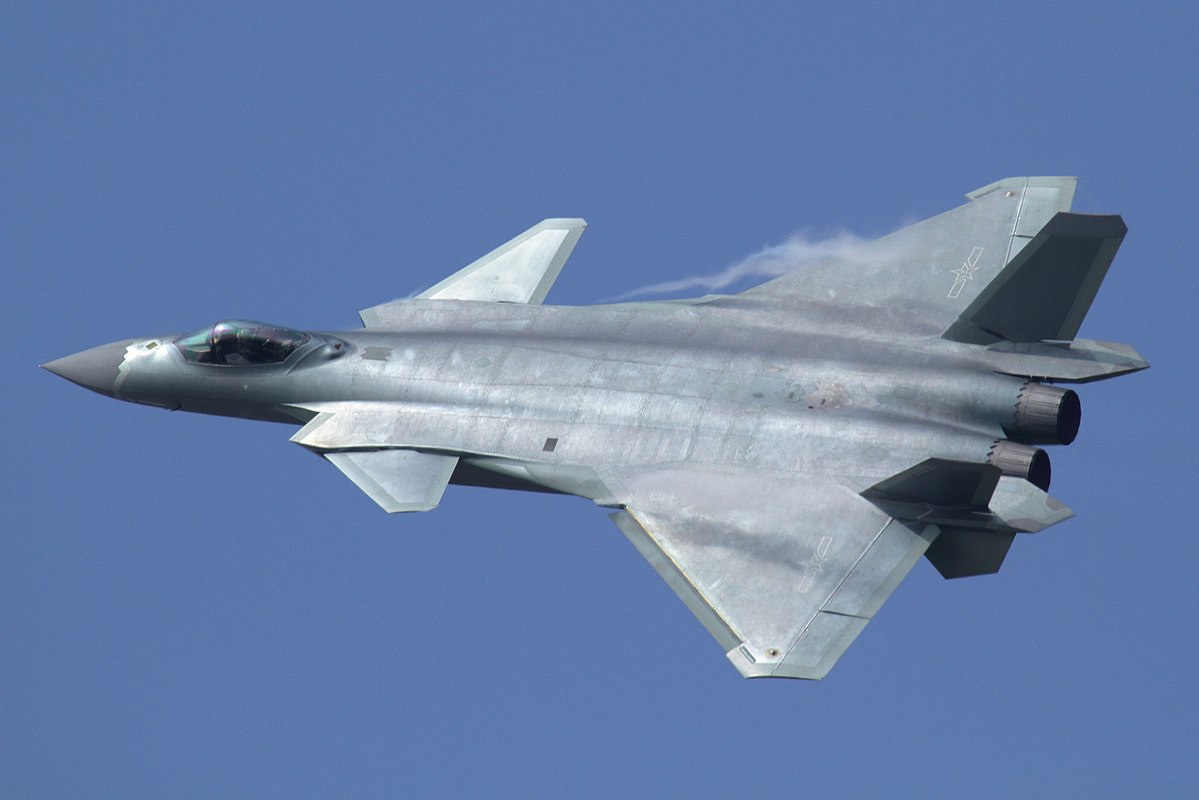
The J-20 is a formidable fifth-generation stealth air superiority and multirole fighter. Its design incorporates a duck-canard aerodynamic layout, which enhances Maneuverability and control at various speeds. The aircraft features a Diverterless Supersonic Inlet (DSI), contributing to its stealth characteristics and reducing overall weight. These design choices underscore its role as a cutting-edge platform.
| Metric | J-20 (Approximate Values) | Key Feature |
|---|---|---|
| Type | Fifth-Generation Stealth Air Superiority/Multirole Fighter | Advanced Stealth Technology |
| Length | 20.3 – 21.2 meters | Optimized for high-speed performance |
| Wingspan | 12.88 – 13.01 meters | Balances lift and stealth |
| Max Speed | Over Mach 2.0 (2100 – 3060 km/h) | Supercruise capability |
| Service Ceiling | Approximately 20,000 meters (66,000 feet) | High-altitude operational advantage |
| Combat Radius | 1,350 – 2,000 kilometers | Extended reach for missions |
The J-20’s Avionics suite includes an Active Electronically Scanned Array (AESA) Radar, providing superior situational awareness and target tracking capabilities. Its internal weapon bays can carry four PL-15/16 Beyond Visual Range (BVR) Missiles in the main bay and two PL-10 Short Range Air-to-Air Missiles in the side bays. This internal carriage capability is vital for maintaining a low radar cross-section, a hallmark of fifth-generation fighters. The aircraft’s future propulsion system, the WS-15 engine, is expected to provide even greater thrust, further enhancing its Supercruise capabilities.
Strategic Considerations for J-20 Export
The export of a highly advanced platform like the J-20 involves intricate strategic considerations. Nations developing such cutting-edge military technology often prioritize their own national security needs and technological superiority. Export decisions are influenced by factors such as the recipient country’s strategic importance, its defense budget, and the potential for technology leakage.
For China, the J-20 represents a significant leap in its aerospace capabilities. The aircraft’s advanced features, including its Stealth Technology and Sensor Fusion, are critical for maintaining air superiority. Exporting such technology requires careful evaluation to ensure it aligns with long-term strategic objectives. The J-20 is a strategic asset, and its availability for export would likely be highly selective and subject to stringent conditions.
Pakistan’s Current and Future Fighter Jet Acquisitions
While Pakistan does not currently possess the J-20, its defense procurement strategy continues to evolve. The PAF is actively seeking to enhance its capabilities through various avenues, including upgrades to its existing fleet and potential acquisitions of other advanced platforms. The focus remains on acquiring aircraft that can effectively counter regional threats and maintain a credible deterrence.
The JF-17 Block III, an upgraded version of the JF-17, incorporates advanced avionics and improved performance, bridging some of the capability gaps with more advanced fighters. Pakistan also operates F-16s, which have undergone modernization programs to extend their service life and enhance their combat effectiveness. These acquisitions reflect a pragmatic approach to air force modernization, balancing cost, operational requirements, and strategic partnerships.
The prospect of Pakistan acquiring a fifth-generation fighter remains a long-term goal. Such an acquisition would likely involve significant financial investment and technology transfer agreements. The choice of platform would depend on various factors, including the availability of export versions, political considerations, and the specific operational requirements of the PAF.
Regional Air Power Dynamics
The introduction of fifth-generation fighters like the J-20 significantly alters regional air power dynamics. These aircraft offer unparalleled advantages in terms of stealth, situational awareness, and combat effectiveness. Their presence compels neighboring countries to reassess their air defense strategies and invest in counter-measures or similar advanced platforms.
The J-20’s long Combat Radius and advanced weapon systems allow for deep penetration into enemy airspace and engagement of targets beyond visual range. This capability provides a distinct advantage in offensive and defensive operations. The development and deployment of such aircraft by major powers inevitably lead to an arms race in the region, pushing other nations to seek advanced aerial assets.
The strategic implications extend beyond military capabilities, influencing geopolitical alignments and regional stability. Nations with advanced air forces gain a stronger bargaining position in international relations. The absence of the J-20 in Pakistan’s inventory does not diminish its strategic importance, but it does highlight the ongoing efforts to modernize its air force within its resource constraints and strategic priorities.
Real-World Scenario: JF-17 and Regional Air Defense
Consider a scenario where Pakistan’s JF-17 fleet is deployed for air defense. The JF-17, a Multirole Fighter developed jointly with China, has proven its effectiveness in various exercises and operations. In a recent exercise, JF-17 Block IIIs, equipped with upgraded AESA radars, demonstrated enhanced target detection and tracking capabilities against simulated adversaries. Pilots praised the improved Cockpit Display System and the integration of new Beyond Visual Range (BVR) Missiles. This upgrade significantly boosts the PAF’s ability to respond to aerial threats, showcasing the continuous evolution of its air power. The experience gained from the JF-17 program positions Pakistan to potentially integrate more advanced systems in the future, should the strategic landscape shift.
Expert Insight
Based on our extensive experience in aerospace engineering and the detailed specifications of the J-20, we anticipate a future where fifth-generation fighter technology becomes more accessible to strategic partners. The J-20’s current internal weapon bay configuration, capable of carrying 4 PL-15/16 BVR missiles and 2 PL-10 Short Range Air-to-Air Missiles, demonstrates a highly integrated combat system. As engine technology, particularly with the WS-15, continues to mature, we foresee an increased focus on modularity and adaptability in aircraft design. This will allow for easier customization and potential export variants that balance advanced capabilities with specific geopolitical requirements. The trend will likely move towards enhanced data links and Sensor Fusion capabilities, making these aircraft even more potent in networked warfare environments.
About the Author
Zhou Qingyu is an aerospace engineering expert who has been deeply involved in the field of fighter jets for 18 years. He has participated in the research and development of multiple domestically produced fighter jets and is a key technical backbone behind China’s air power.
Contact our specialists to explore tailored solutions for advanced aviation equipment.
FAQs
Q1: What is the J-20 fighter jet?
A1: The J-20, or Mighty Dragon, is China’s fifth-generation stealth air superiority and multirole fighter aircraft. It features advanced Stealth Technology, Supercruise capabilities, and sophisticated avionics, making it one of the most advanced fighter jets globally.
Q2: Why doesn’t Pakistan have the J-20?
A2: Pakistan does not currently operate the J-20 due to various factors, including the J-20’s strategic importance to China’s national defense, its high cost, and the complex geopolitical considerations involved in exporting such advanced military technology. Pakistan has historically focused on joint development projects like the JF-17 to meet its defense needs.
Q3: What are Pakistan’s current fighter jet capabilities?
A3: Pakistan’s Air Force primarily operates a mix of JF-17 Thunder aircraft, F-16 Fighting Falcons, and other platforms. The JF-17, a Multirole Fighter developed with China, forms the backbone of its fleet, with ongoing upgrades like the JF-17 Block III enhancing its capabilities.
Q4: Will Pakistan acquire fifth-generation fighters in the future?
A4: While Pakistan has not announced specific plans to acquire the J-20, its long-term defense strategy likely includes the modernization of its air force with advanced platforms. Future acquisitions of fifth-generation fighters would depend on strategic needs, financial resources, and international defense partnerships.
Q5: How does the J-20 compare to other fifth-generation fighters?
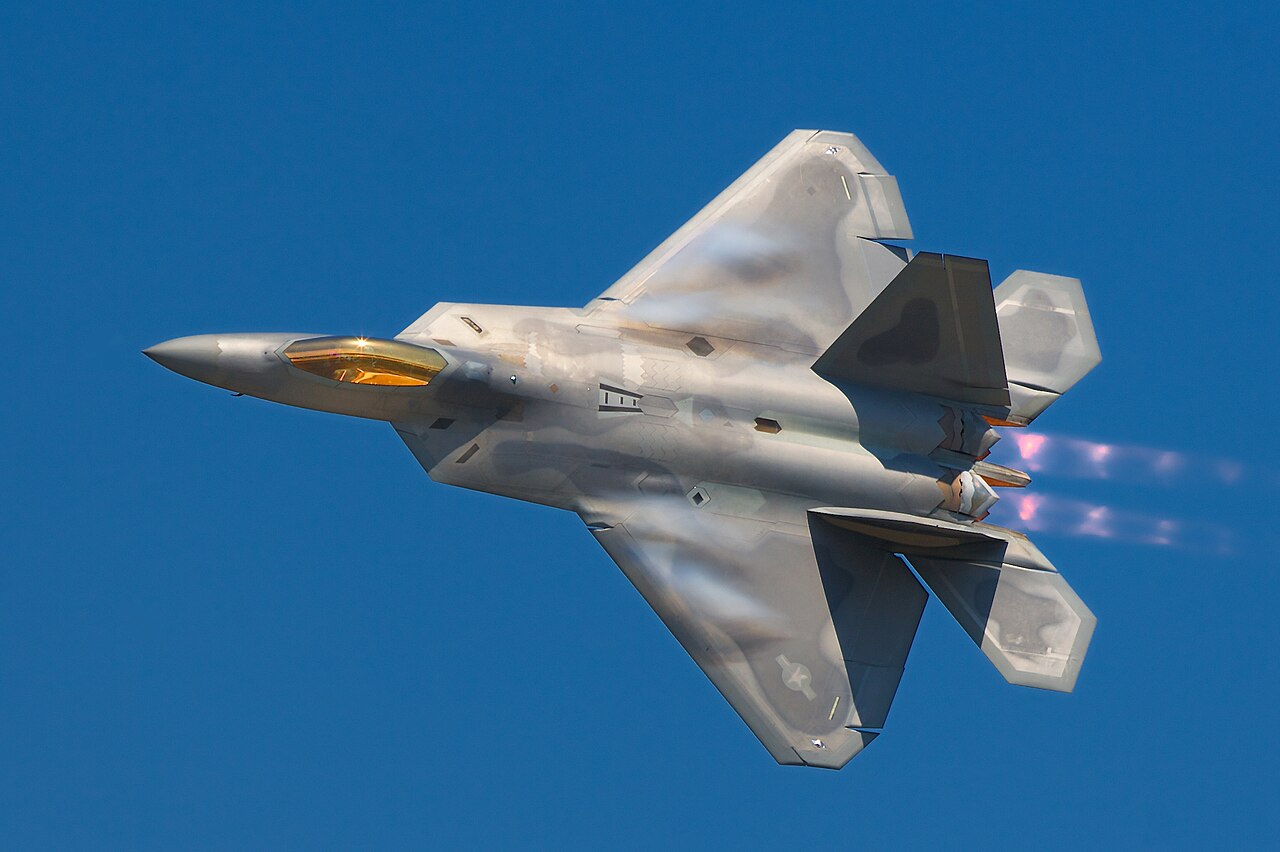
A5: The J-20 is comparable to other fifth-generation fighters like the F-22 Raptor and F-35 Lightning II in terms of stealth, advanced avionics, and multirole capabilities. It excels in air superiority missions with its long-range missiles and advanced Sensor Fusion, contributing significantly to its effectiveness in modern aerial combat.
Keywords: does pakistan have j20, J-20 fighter jet, Pakistan Air Force, fifth-generation fighter, JF-17 Thunder


