

Selecting the appropriate hydraulic breaker is a critical decision that impacts project efficiency and profitability. Whether you are considering purchasing a new unit or opting for a rental, understanding the factors that influence performance and cost is essential. We guide you through the process, helping you make an informed choice that aligns with your operational needs and budget.
Understanding Your Project Needs for Hydraulic Breakers
Before deciding on a hydraulic breaker, a thorough assessment of your project requirements is necessary. The type of material you need to break, the duration of the project, and the specifications of your existing excavator all play a role in this decision. For instance, breaking hard rock in a quarry demands a different breaker than demolishing concrete in an urban setting. Project duration directly influences whether hydraulic breaker rental cost is more economical than a full purchase.
We consider the carrier operating weight of your excavator to ensure a suitable match. An undersized breaker will be inefficient, while an oversized one can damage the excavator. Our team helps you match the breaker’s operating pressure and impact rate to your specific application, ensuring optimal performance and preventing premature wear. For example, a higher impact rate is beneficial for softer materials, while higher operating pressure is crucial for dense rock.
Purchasing a Hydraulic Breaker: Investment and Long-Term Value
For long-term projects or frequent use, purchasing a hydraulic breaker often presents a better return on investment. This option provides immediate availability and eliminates rental logistics. When you buy hydraulic breaker price becomes a significant upfront cost, but it offers ownership benefits and potential resale value.
Initial Costs and Operating Expenses
The initial purchase price of a hydraulic breaker varies widely based on its size, brand, and specifications. Beyond the acquisition cost, consider ongoing operating expenses. These include fuel consumption of the carrier, chisel paste for lubrication, and periodic replacement of wear parts like working tool and seal kit. Regular maintenance is crucial to extend the breaker’s lifespan and ensure consistent performance. We provide detailed maintenance schedules to help our customers manage these costs effectively.
Key Specifications to Consider When Buying
When you invest in a hydraulic breaker, paying close attention to technical specifications is vital. The working tool diameter indicates the breaker’s class and its suitability for various tasks. For instance, a larger diameter tool is for heavy-duty applications. The oil flow (l/min) and operating pressure must match your excavator’s hydraulic system to prevent damage and ensure full power. Our BLT-155 model, for example, operates at a pressure of 200-220bar, which provides superior breaking force compared to many competitors in its class.
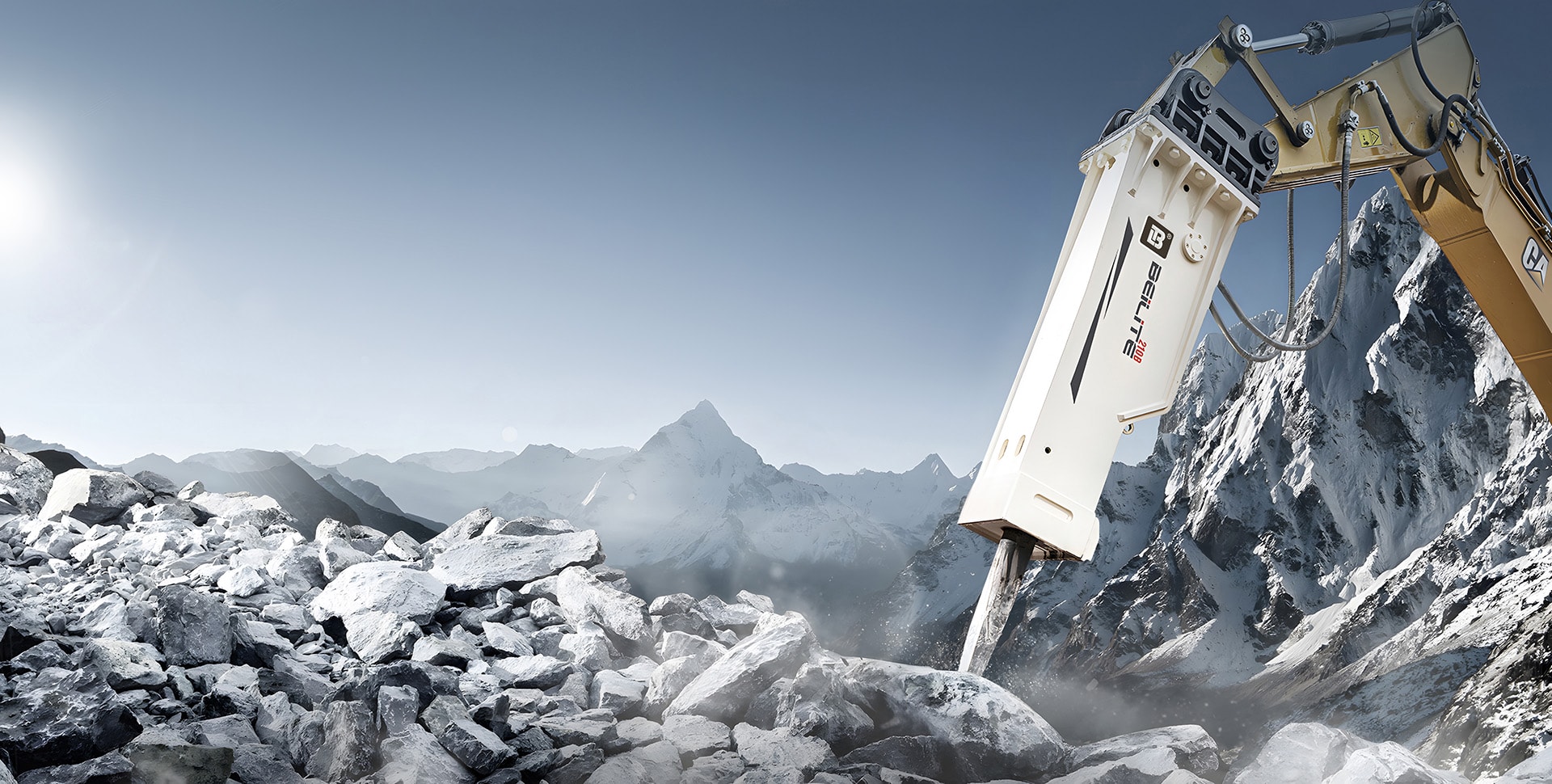
Renting a Hydraulic Breaker: Flexibility and Short-Term Solutions
For short-duration projects, specialized tasks, or when capital expenditure is limited, renting a hydraulic breaker is a practical solution. This approach offers flexibility and reduces the need for long-term commitment to maintenance and storage.
Rental Costs and Benefits
Hydraulic breaker rental cost typically includes daily, weekly, or monthly rates. These rates often cover basic maintenance and may even include insurance, reducing your operational burden. The primary benefit of renting is avoiding the large upfront investment. It also allows you to access different breaker sizes or types for specific jobs without owning a diverse fleet. This is particularly useful for contractors who undertake varied projects.
When Rental Makes Economic Sense
Renting is more cost-effective for projects lasting less than a few months. It removes concerns about depreciation, storage, and extensive maintenance. If your project requires a specialized working tool or a breaker size you don’t typically use, renting allows you to acquire the precise equipment without a permanent investment. We help clients evaluate their project timelines and financial models to determine if hydraulic hammer for rent is the optimal choice.
Comparing Hydraulic Breaker Models: Performance and Price
We offer a range of hydraulic breaker models designed for various excavator sizes and applications. Here is a comparison of some of our popular models, highlighting their key specifications:
| Model | Applicable Excavator (t) | Chisel Diameter (mm) | Working Pressure (bar) | Impact Rate (bpm) | Operating Weight (kg) |
|---|---|---|---|---|---|
| BLT-100 | 10–14t | 100 | 150~170 | 350~700 | 986 |
| BLT-125 | 14~18t | 125 | 150~170 | 350~650 | 1357 |
| BLT-135 | 18~22t | 135 | 160~180 | 350~500 | 1736 |
| BLT-155 | 27~33t | 155 | 200~220 | 200~300 | 2610 |
The BLT-155 stands out with its higher working pressure of 200-220bar, providing a distinct advantage in breaking hard materials. This higher pressure translates to more powerful impacts, reducing project time and increasing overall efficiency. Our hydraulic breakers are engineered for durability and consistent performance, ensuring you get the most out of your investment.
From Our Field Engineers: Maximizing Your Breaker’s Lifespan
Proper operation and routine maintenance are key to the longevity and performance of your hydraulic breaker. Our field engineers emphasize the importance of daily checks and adhering to service schedules. Always ensure the working tool is properly lubricated with chisel paste before and during operation. This prevents premature wear on the outer bushing and inner bushing.
Regularly check the accumulator gas pressure and recharge it if necessary. An improperly charged accumulator can lead to reduced impact power and increased stress on your excavator’s hydraulic system. We recommend using a charging regulator for accurate pressure adjustments. Following these simple steps will significantly extend the life of your equipment and reduce unexpected downtime.
Expert Insight: The Future of Hydraulic Breaker Technology
The industry is continuously pushing for greater efficiency and power in hydraulic breakers. Based on our experience and product data, we see a clear trend towards higher operating pressure and more sophisticated hydraulic control systems. Our BLT-155 model, with its working pressure of 200-220bar, exemplifies this direction. This allows for more material broken per hour with less fuel consumption from the carrier.
We anticipate further advancements in materials science, leading to even more durable working tools and casings. Integration of smart monitoring systems will also become standard, providing real-time data on performance and maintenance needs. These developments aim to reduce operational costs and environmental impact, making heavy equipment more sustainable and productive.
About the Author
An old man with 18 years of experience
Need help choosing the right hydraulic breaker? Contact our experts for a personalized recommendation.
FAQs
Q1: What is the most important factor when choosing a hydraulic breaker?
A1: The most important factor is matching the hydraulic breaker to your excavator’s carrier operating weight and hydraulic system specifications, specifically its oil flow and operating pressure. This ensures optimal performance and prevents damage to both the breaker and the excavator.
Q2: How often should I perform maintenance on my hydraulic breaker?
A2: We recommend daily checks of the working tool lubrication and general condition. More extensive maintenance, such as checking accumulator gas pressure and replacing seal kits, should follow the manufacturer’s recommended service intervals, typically every 200-500 operating hours.
Q3: Is it better to buy or rent a hydraulic breaker for a small project?
A3: For small or short-duration projects, renting is usually more cost-effective. It avoids the large upfront investment, depreciation, and ongoing maintenance costs associated with ownership. For longer projects or frequent use, purchasing is generally more economical.
Q4: What does ‘operating pressure’ mean for a hydraulic breaker?
A4: Operating pressure refers to the hydraulic pressure required for the breaker to function effectively. A higher operating pressure often translates to greater impact force, which is beneficial for breaking harder materials. It must be within the recommended range for your specific breaker model.
Q5: Can I use any working tool with my hydraulic breaker?
A5: No, you must use working tools that are specifically designed for your hydraulic breaker model and its working tool diameter. Using an incorrect tool can lead to damage to the breaker, reduced performance, and safety hazards. We offer a range of tools, including MOIL POINT and NARROW CHISEL, for various applications.
Keywords
Primary Keywords: hydraulic breaker
Long-Tail Keywords: hydraulic breaker rental cost, buy hydraulic breaker price, choosing the right hydraulic breaker, hydraulic hammer for rent, best hydraulic breaker for excavator


